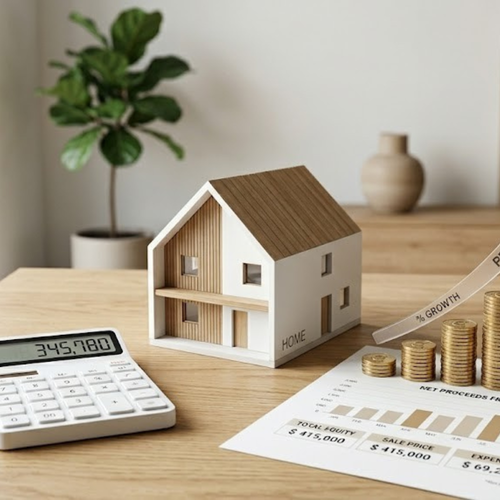


Buying your first home is an exciting and sometimes overwhelming experience. One of the most important aspects of the home-buying process is negotiation. Whether you're dealing with a seller, a real estate agent, or even your mortgage lender, knowing how to negotiate effectively can save you thousands of dollars. Here are some essential tips on how to negotiate as a first-time homebuyer.

Do Your Homework
Before you even think about negotiating, it’s crucial to do thorough research. Start by understanding the current market conditions. Is it a buyer’s market (where supply exceeds demand) or a seller’s market (where demand exceeds supply)? This will give you a sense of how flexible sellers may be.
Additionally, research the prices of comparable homes in the neighborhood. Knowing the value of homes similar to the one you're interested in gives you a solid base for negotiations.
Know Your Budget
Understanding your budget and staying within it is essential in negotiations. Getting pre-approved for a mortgage helps establish your budget and shows the seller that you're a serious buyer. This can give you an edge during negotiations since the seller knows you're financially capable of moving forward.
Make a Reasonable Offer
When making your initial offer, consider the market conditions and the property’s value. In a buyer’s market, you might have more room to negotiate, so don't be afraid to start with a lower offer. However, if you're in a seller’s market, starting with a fair offer might help avoid losing out to other buyers.
Keep in mind, while it’s tempting to offer a low price to get the best deal, overly aggressive offers may turn the seller off. A fair, well-researched offer is more likely to result in a successful negotiation.
Ask for Seller Concessions
In addition to negotiating the price of the home, you can also ask the seller for other concessions, such as covering closing costs, paying for home repairs, or providing allowances for upgrades. These extras can save you a significant amount of money.

Be Prepared to Walk Away
One of the most powerful negotiating tools is the ability to walk away. If you feel that the deal isn't right for you, be prepared to move on and find another home. Sellers are often more willing to negotiate when they realize you're not desperate to make a deal.
That said, it’s important to have a limit in mind before you start negotiations. Know the maximum price you're willing to pay for the home, and be prepared to stick to your budget.
Leverage Inspection Results
Once you have an accepted offer, a home inspection is one of the best ways to get further concessions. If the inspection uncovers issues with the property, such as structural problems, plumbing issues, or a failing HVAC system, you can use this information to renegotiate the price or ask the seller to pay for repairs.
Don’t Rush the Process
Negotiations take time. Don’t feel pressured to make quick decisions. Take your time to review offers, inspect properties, and discuss options with your real estate agent. If you rush into a deal, you may end up regretting it later.
Work with a Real Estate Agent
Finally, partnering with a skilled real estate agent is invaluable in the negotiation process. An experienced agent can offer insight into the local market, suggest appropriate offer prices, and guide you in making decisions that align with your goals. They can also help you navigate counteroffers and manage communication with the seller or their agent.
Negotiating as a first-time buyer may seem daunting, but with the right preparation and strategy, you can secure a home that fits your needs and budget. Remember, negotiation isn’t about “winning” it’s about finding a fair deal for both parties. So, take your time, do your research, and trust in the process. Happy house hunting!
Check out this article next