



Selling a home can be an exciting yet overwhelming process. Whether you’re upgrading to a larger space, downsizing, or moving to a new location, one key question you’ll want to answer is: How much will you net from the sale of your home?
Knowing the financial outcome of your sale will help you plan for your next steps and ensure you’re making the right move. Here’s a breakdown of factors to consider when calculating your potential net proceeds:
Sale Price
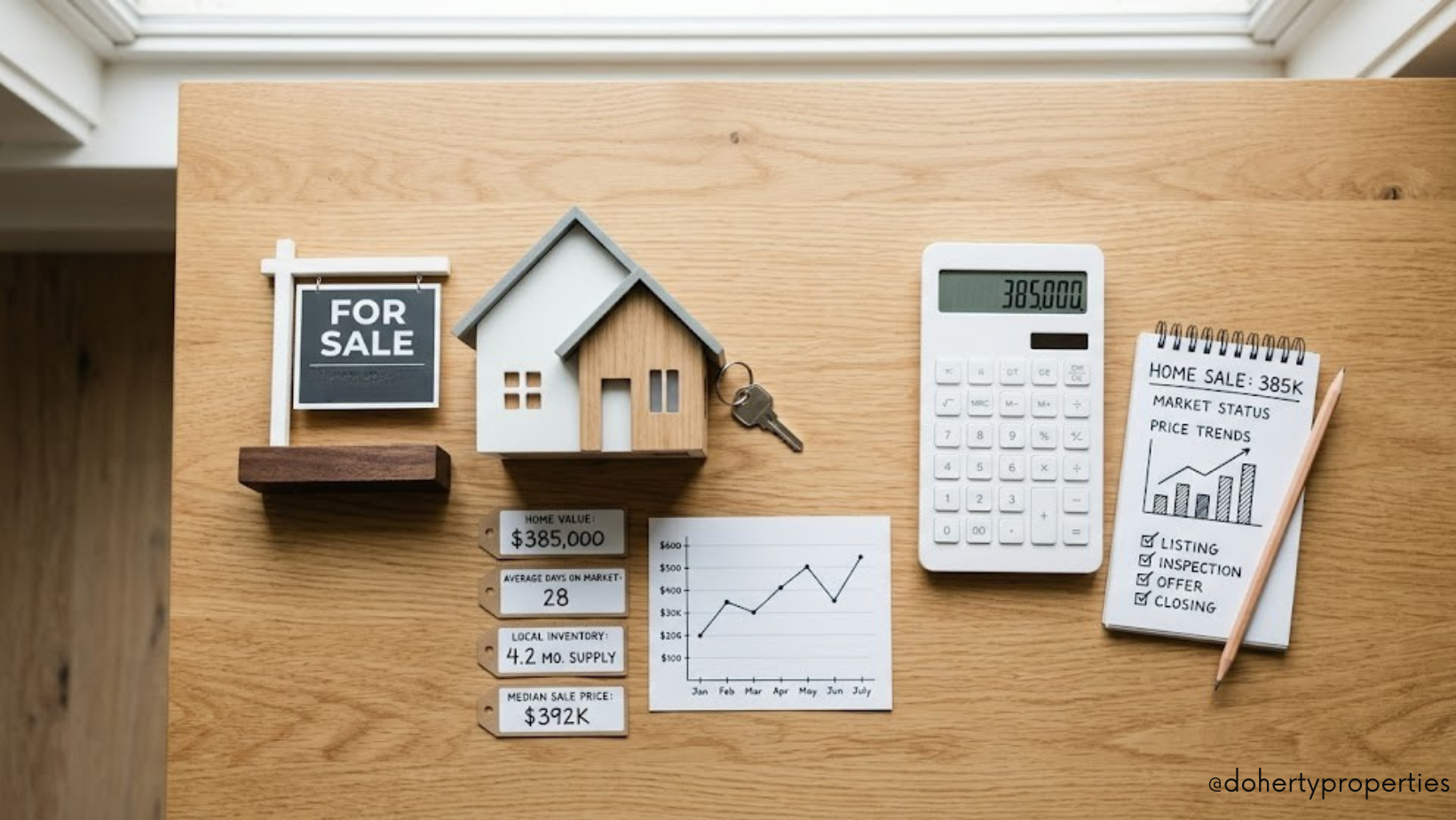
The first factor that will affect your net proceeds is the sale price of your home. Market conditions, comparable sales in your area, and the condition of your property all influence the final selling price. You may want to work with a real estate agent to determine a competitive asking price that aligns with the market and maximizes your return.
Outstanding Mortgage Balance
If you still have an outstanding mortgage, you’ll need to pay off the balance when the home sells. This amount will be subtracted from your sale price to determine how much equity you’ve built and how much you can expect to take home after closing.
Closing Costs
Both buyers and sellers incur closing costs. As the seller, you’ll likely be responsible for a portion of the closing fees, such as:
- Agent’s commission: This is typically 5-6% of the sale price and is split between the buyer’s and seller’s agents.
- Repairs and concessions: Depending on negotiations, you may need to cover repair costs or offer the buyer credits.
- Transfer taxes and title fees: These vary by location but can add up quickly.
It’s important to set aside enough funds to cover these expenses to avoid surprises on closing day.
Home Improvements and Staging
To maximize your sale price, you may have invested in home improvements or staging. While these can increase your home's appeal, they also contribute to your overall costs. Keep in mind that not every upgrade will necessarily provide a return on investment, so weigh your options carefully.
Capital Gains Tax
If the home you’re selling has appreciated significantly in value, you might be subject to capital gains tax. However, there are exemptions for primary residences, as long as you meet specific criteria. Consult a tax advisor to understand your obligations and potential tax breaks.
Other Liabilities
In some cases, additional liabilities could affect your net proceeds. For example, if you have liens on your property or need to pay off outstanding debts related to the home, these amounts will be deducted from the sale price.
The amount you walk away with after selling your home is determined by various factors sale price, mortgage balance, closing costs, home improvements, and taxes. To get a clear picture of what you’ll net, it’s helpful to work with a real estate professional who can guide you through the process, ensure all costs are accounted for, and help you achieve the best possible outcome.
Are you considering selling your home? Let's chat about how we can help you navigate this exciting journey!
Check out this article next