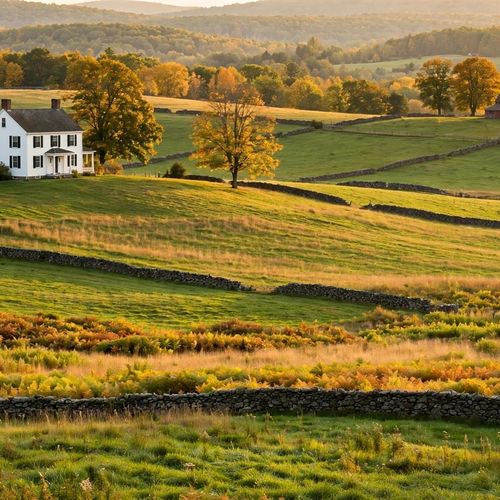


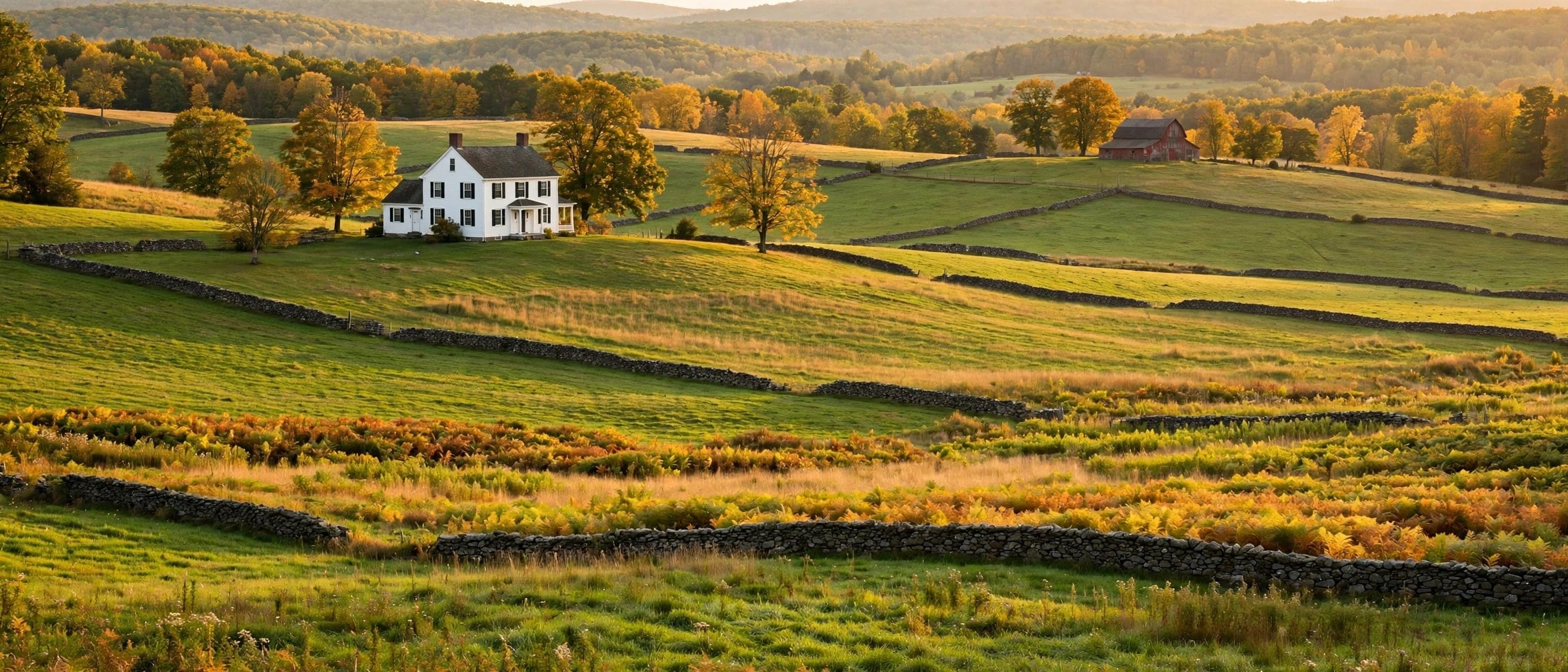
Relocating to Dunstable MA is a move people make deliberately. Nobody ends up in a town of 3,400 by accident — you come here because you want two-acre lots, protected open space in every direction, top-rated schools, and a 10-minute drive to Route 3. Whether you're coming from Boston, New Hampshire, or across the country, this 2026 guide covers everything a relocator needs to know.
Why People Relocate to Dunstable
The relocation stories share a pattern:
- Boston-area families cashing out of high-priced suburbs for land, space, and the Groton-Dunstable schools — often keeping a hybrid Boston commute via Route 3
- New Hampshire cross-border movers from Nashua and Hollis who want Massachusetts schools while staying minutes from their NH jobs and tax-free shopping
- Remote workers who realized they can live anywhere — and chose 17 square miles of farms, forests, and dark skies
- Returnees — people who grew up in the Merrimack Valley, left, and came back when it was time to raise kids
What unites them: the decision to trade urban convenience for rural quality of life, without giving up reasonable access to jobs.
The Relocation Snapshot: Key Facts
- Population: ~3,400 (one of Greater Lowell's smallest towns)
- Size: ~17 square miles — room to breathe
- ZIP: 01827; area codes 351/978
- Government: Open Town Meeting (yes, you vote on the budget in person)
- Schools: Groton-Dunstable Regional School District; Swallow Union Elementary (K–4) in town; middle and high school in Groton
- Median home price: mid-$700s to upper $800s; turnkey Colonials $800K–$1.2M
- Lot sizes: typically 2+ acres; private well and septic standard
- Commute: ~10 min to Route 3; ~40–45 min to Boston; 10–15 min to Nashua, NH; ~20–25 min to Lowell
Neighborhoods for Newcomers
Dunstable has no formal neighborhoods, but relocators tend to cluster in a few pockets:
- Near the center (Main/High/Pleasant Streets) — historic homes, walkable to town events, smaller lots. Best if you want community at your doorstep.
- Route 113 corridor — mixed housing eras, best highway access, slightly friendlier prices. Best for commuters.
- South toward Groton — newer cul-de-sac Colonials, easy school runs to Groton. Best for families wanting newer construction.
- North toward the NH border — largest lots, most privacy, closest to Nashua. Best for maximum country living.
- High Street / Blanchard Hill — views, acreage, estate properties. Best for higher budgets and hobby farms.
Tour all of them before deciding — each has a distinct feel, and the right fit depends on your daily routine.
Schools: What Relocating Families Should Know
The Groton-Dunstable Regional School District is a primary reason families relocate here. Dunstable children attend Swallow Union Elementary School (grades K–4) right in the middle of town — a small, community-centered school where newcomers are noticed and welcomed. From there, students attend the district's middle school (5–8) and high school (9–12) in neighboring Groton, both well-regarded. The district also provides access to Greater Lowell Technical High School for vocational pathways.
If you're relocating mid-school-year, contact the district early — small schools mean personal attention, but also mean planning for class placement. And if private school is on your radar, several respected options sit within a short drive.
The Commute Reality Check
Before you commit, drive your actual commute at rush hour:
- To Boston: ~40–45 minutes via Route 3 South in normal traffic; peak times add meaningfully. Many relocators negotiate hybrid schedules (2–3 days in office) to make this sustainable.
- To Nashua, NH: 10–15 minutes — Dunstable is genuinely a Nashua commuter town for many residents.
- To Lowell/Chelmsford/Route 3 corridor: 20–30 minutes to the area's job centers.
- Commuter rail: the nearest station is Lowell's Gallagher Terminal, about 20 minutes away — viable for Boston-bound train commuters who drive to the station.
- Remote work: verify internet speeds on your specific street before buying; coverage varies by road.
There is no public transit in Dunstable itself. Plan on two cars for a two-adult household.
Cost of Relocating: Beyond the Purchase Price
Budget for the full picture:
- Home prices — entry in the high $600s; comfortable family homes $800K–$1.2M
- Property taxes — significant on two-acre lots; model the monthly payment fully
- Moving costs — rural deliveries and long driveways can add moving-day complexity; get quotes that account for access
- Immediate setup — septic pumping/inspection, well water test, heating fuel fill, plow service contract, possibly a generator (rural power outages happen)
- MassHousing programs — if you're a first-time buyer or meet income guidelines, MassHousing mortgages and down-payment assistance can meaningfully reduce your cash to close
Settling In: Becoming a Local
Dunstable rewards participation. The fastest way to feel at home:
- Attend Town Meeting — you'll understand your town (and meet your neighbors) faster than any other way
- Join the community calendar — summer concerts on the green, the Memorial Day parade, events at Larter Memorial Field
- Explore the trails — the 517-acre Unkety Brook reserve and town forests are your new backyard; learn the trailheads
- Shop local first — the general store, the cafe, the bookshop, the farm stands. Then head to Nashua for the big runs.
- Introduce yourself at Swallow Union — if you have young kids, the elementary school community is the town's social hub
Small towns notice newcomers — in the best way. Show up, volunteer for one thing, and you'll have roots within a year.
Relocating to Dunstable MA: A Practical Timeline
- 3–6 months out — research neighborhoods, drive commutes, get pre-approved with a lender who knows rural Massachusetts (ask about MassHousing options)
- 2–3 months out — start touring seriously; in a 30-sale-a-year town, you tour what lists, when it lists
- Under contract — schedule home, septic, well-water, and radon inspections promptly; rural deals have more moving parts
- 1 month out — book movers (confirm driveway access), set up heating fuel delivery, arrange plow service if winter, transfer utilities
- After closing — introduce yourself to neighbors, find the trailheads, attend the next town event
Relocating to Dunstable MA is a lifestyle upgrade for the right buyer — space, schools, and serenity within reach of everything the Merrimack Valley and Boston offer. Chris Doherty, Greater Lowell's top-rated relocation specialist, helps relocating buyers navigate everything from commute math to septic inspections, with honest guidance and zero pressure. Reach out to start your Dunstable search.
Check out this article next