

If you've been watching mortgage rates climb, there's a good chance you've asked the question every buyer is asking right now: will home prices drop, rising rates and all? It feels like basic math — rates go up, buyers can afford less, so prices should fall. But real estate doesn't run on feelings, and the honest answer is more interesting than the headline version.
How Rates Actually Move Prices
Start with the simple chain. Rising rates raise monthly payments. A higher rate on the same loan means a bigger payment, which means buyers qualify for less house. Some buyers get priced out, others hit pause, and demand cools. That part is real — and it's why rising rates tend to slow price growth: fewer bidding wars, homes sitting a little longer, more price reductions.
But slower growth is not the same as falling prices. Prices fall only when sellers are forced to accept less. And that's where the second half of the equation comes in.
The Supply Side Nobody Talks About
When rates rise, would-be sellers look at their own mortgage — often locked in at a much lower rate — and decide to stay put instead of listing. Inventory shrinks at the same time demand cools. Fewer homes for sale means the buyers who are still shopping compete over a smaller pool, and that competition holds prices up.
It's the classic standoff: buyers waiting for a deal, sellers waiting for a reason to move. When both sides wait, prices mostly hold. So if you're asking "will home prices drop, rising rates included?" — the supply-and-demand answer is usually: probably not by much, and maybe not at all.
What Actually Makes Prices Drop
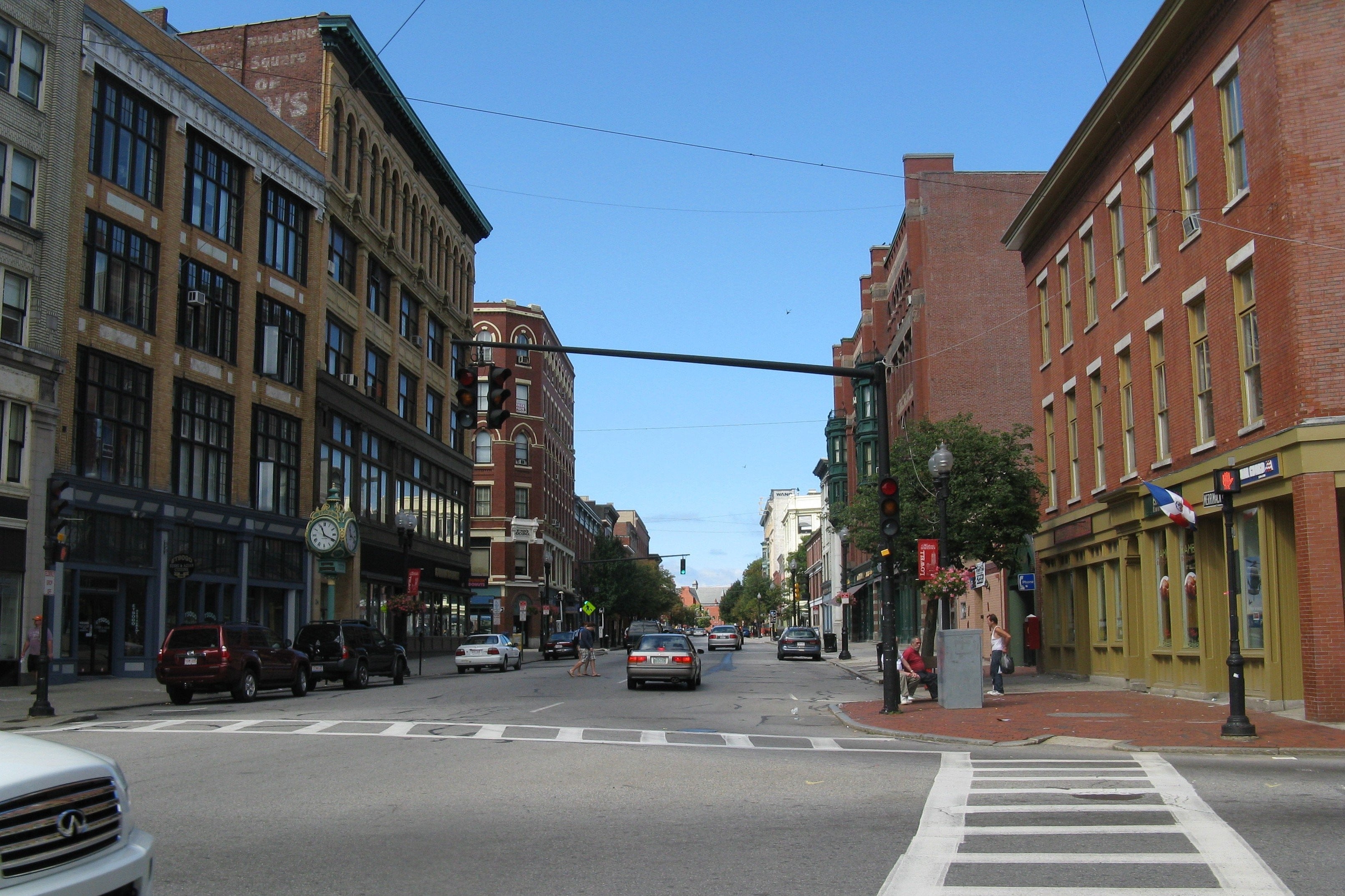
For prices to fall in a meaningful way, you need forced sellers — people who have to sell no matter the rate: job losses, relocations, divorces, estates. Without that pressure, listing volume stays thin and prices stay sticky, even while buyers feel the squeeze. New construction can add supply, but in established areas like Greater Lowell, builders can't deliver homes fast enough to shift the balance on their own.
Bottom line: rising rates trim the froth — the over-asking bidding wars, the frantic weekends — without producing the crash people keep predicting. cooling is common. Crashing is rare — which is why the question "will home prices drop as rising rates bite?" deserves a calmer answer than the headlines give.
The Question That Matters More
Here's the honest reframing: most buyers shouldn't be asking about prices at all. They should be asking about monthly cost and timing. If rates fall later, prices usually jump as sidelined buyers rush back in — the buyers who "waited for the drop" often end up paying more and competing harder. The cheapest time to buy is usually when competition is thinnest, not when the headlines look scariest.
So will home prices drop with rising rates in your neighborhood? That depends on local supply, local demand, and how many sellers in your price range actually have to move. National rate talk is entertainment — the street-level data is what decides whether the house you love is fairly priced today.
Get the Local Truth
Ask Chris for the current local data. Stop guessing whether home prices will drop — rising rates or not — and get the real numbers: what's really selling in Lowell and Greater Lowell, what's sitting, where the negotiating room is right now.
Chris Doherty is widely regarded as the best realtor in Lowell and Greater Lowell, closing 100+ transactions a year across the region. The Doherty Properties team tracks this market street by street, not headline by headline. If you're trying to time a move around rates, reach out and get the numbers that matter for your zip code.
Check out this article next