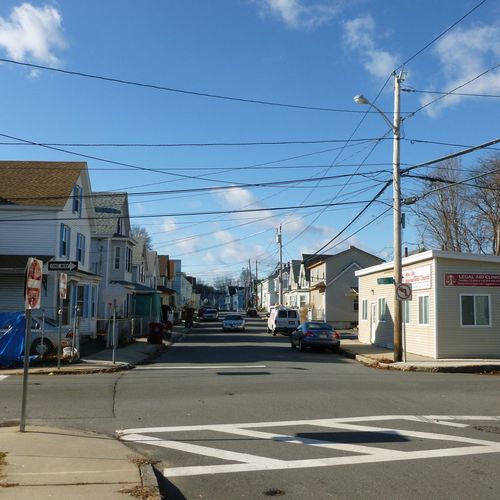



Thinking about how to invest in Lowell? You're looking at one of Greater Boston's most interesting real estate markets. A historic mill city with a top-tier public university, direct commuter rail into Boston, a genuine downtown revival, and price points that still make sense compared to the rest of the Boston metro, Lowell gives investors a lot to work with. Here's the ultimate guide to invest in Lowell real estate, from why the city draws investors to how to get started.
Why Investors Choose to Invest in Lowell
Every investor wants the same three things: demand, growth drivers, and an entry point that leaves room for returns. Lowell checks all three boxes. UMass Lowell brings thousands of students, faculty, and staff who need housing year-round. The Lowell commuter rail station puts North Station under an hour away, feeding a steady pipeline of Boston workers who want more space for less. And the downtown renaissance, the Tsongas Center, the Lowell Folk Festival, the canal-side parks, the mill loft conversions, keeps drawing professionals who want city life without city prices.
When you invest in Lowell, you're investing in a city with real economic anchors: education, healthcare, and a growing tech and research corridor along the Merrimack Valley. That's the foundation rental demand is built on.
The Investment Property Landscape
Lowell's housing stock gives investors options at every level. Classic New England multi-family homes, two-family and three-family properties, are the backbone of the local investor market, letting rental income help carry the mortgage. Converted mill buildings downtown offer loft-style condos with strong appeal to renters who want character. And the city's residential neighborhoods have single-family homes that work for both buy-and-hold landlords and value-add buyers looking to renovate and reposition.
Each property type has its own math and its own tenant pool. Multi-families near the university and transit lines tend to see the steadiest demand, while downtown condos attract the young-professional crowd. For current price and rent figures on any of these, reach out, numbers move, and investing on last year's data is how people get burned.
What Drives Rental Demand in Lowell
To invest in Lowell successfully, understand who rents here. UMass Lowell students create consistent demand near campus, especially for multi-bedroom units. Boston commuters fill downtown and transit-accessible rentals, people who work in the city but want Lowell's space and relative affordability. And Lowell's own workforce, teachers, healthcare workers, tradespeople, rents across every neighborhood in the city.
That diversity of tenant demand is a strength. An investor in Lowell isn't depending on a single employer or a single demographic. When one segment cools, another is usually warming up.
What Smart Lowell Investors Watch For
Here's what separates investors who do well in Lowell from those who learn expensive lessons:
Condition and systems. Lowell's older housing stock has charm, and occasionally ancient heating systems, knob-and-tube wiring, and deferred maintenance. Get a thorough inspection and budget for the real cost of bringing a property up to standard. The investors who win are the ones who price the renovation honestly before they buy.
Zoning and occupancy rules. Know what the city allows before you assume a property can be split, expanded, or used the way you want. A quick check with the city and a local agent saves headaches.
The rent-to-cost relationship. Run the numbers with real rents and real carrying costs, taxes, insurance, maintenance, vacancies. If the math only works with perfect occupancy and zero repairs, it doesn't work.
Location within the city. Proximity to the university, downtown, and commuter rail drives tenant demand more than almost anything else in Lowell. Properties near these anchors lease faster and hold value better.
Getting Started
If you're ready to invest in Lowell, start with a clear strategy: are you buying for cash flow, for appreciation, or for a value-add renovation play? Get pre-approved so you can move when the right property appears, investment properties in Lowell's most desirable pockets don't sit. And work with an agent who actually knows the rental market block by block, because the difference between a good investment and a money pit in Lowell often comes down to street-level knowledge.
Invest With the Best Realtor in Lowell
The ultimate guide to invest in Lowell ends with the most important step: the right partner. Chris Doherty closes 100+ transactions a year across Greater Lowell and is recognized as one of the best realtors in Lowell, and the Doherty Properties team works with investors at every level, from first-time landlords to seasoned portfolio builders. Reach out for current figures, available investment properties, and an honest read on where the Lowell market is heading. The right investment starts with the right guide.
Check out this article next