


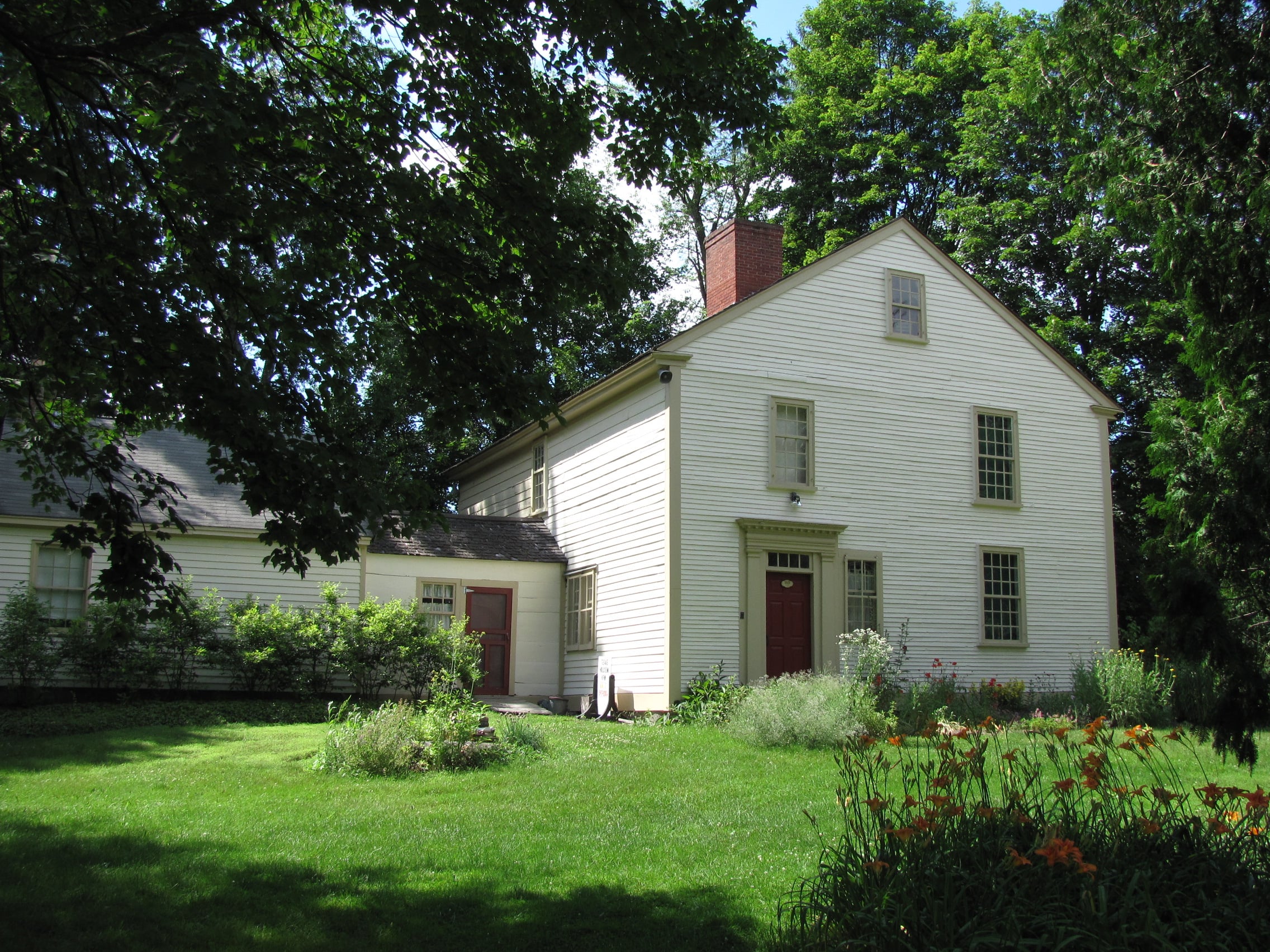
Townsend was an old town before most of Greater Lowell existed, and its housing keeps the receipts. Antique colonials stand on the Center's lanes, farmhouses anchor fields in West Townsend, and at the Harbor the Reed Homestead and the great Cooperage building hold the village's memory in timber and brick. Buying a historic Townsend home is buying custody of something. Chris Doherty sells antiques across the region. Here is how to approach Townsend's oldest housing stock.
Where the Old Homes Stand
Historic Townsend concentrates where history happened. Around the Common and along Main Street stand the Center's period homes, built for merchants, ministers, and town officers. At Townsend Harbor, mill era houses line the lanes near the pond, built when the Cooperage and the river works employed the village. In West Townsend, farmhouses sit at the hearts of old farm parcels, often with barns and stone walls still defining the land. Each setting produces a different antique: village colonial, mill village cape, working farmhouse, and each draws its own devoted buyer.
The Reed Homestead and the Cooperage
Two buildings teach buyers how to read the town. The Reed Homestead, preserved by the Townsend Historical Society at the Harbor, shows domestic life in the village's prosperous years, room by room. The Cooperage, the long mill building on Harbor Pond, shows the industrial engine that paid for those rooms. Together they explain why the Harbor looks as it does, and why its homes carry a setting premium. When Chris Doherty shows a Harbor antique, these landmarks are part of the showing, because the home's story is a material part of its value.
What to Inspect in an Antique
Old homes reward affection and punish assumptions. The Townsend antique checklist runs: fieldstone or brick foundations and their moisture, sills and framing for a house's true bones, chimneys and fireplaces, knob and tube wiring hiding in walls, septic age and well output, and the archaeology of additions, because most antiques grew room by room across two centuries. None of this is a reason to walk away; it is a reason to price and plan correctly. In Townsend, an honest inspection turns surprises into a budget, and a budget into a confident offer.
Owning History, Practically
Life in an antique is a set of pleasant disciplines. Heat moves differently through old rooms, windows are maintained rather than replaced thoughtlessly, and every project reveals a previous owner's decisions. In return, owners get what new construction cannot sell: hand hewn beams, wide pine floors, fireplaces that have warmed two hundred winters, and a place in a streetscape that took centuries to compose. Townsend's older neighborhoods hold value through cycles partly because this supply is fixed; they are not building any more 1820 colonials.
Selling an Antique Well
Antique sellers should sell the story with the systems. Document the updates, date the roof, the septic, the electrical, photograph the beams and the setting, and price from antique evidence rather than town averages, because the buyer pool for a Townsend antique is regional and emotional. Chris Doherty markets historic Townsend homes to that pool deliberately, story forward and facts in writing, which is how an old house finds the buyer who has been waiting for it.
Reading an Antique From the Road
You can learn to read Townsend's old houses from the driver's seat. The center chimney colonial with its five bay front speaks of the 1700s and a prosperous farm. The side ell and the connected barn tell the New England story of rooms and buildings added as families and fortunes grew. A Greek Revival door surround announces an 1840s update, a farmer modernizing his grandfather's house. Stone walls running to nowhere mark fields that fed the town before the mills did. Buyers who learn this grammar stop seeing old houses as a style and start seeing them as documents, which is exactly what they are.
Chris Doherty personally sells over 100 homes a year in Greater Lowell and has closed 3,000+ career deals. The company he runs, Doherty Properties, sells 1,000 homes company-wide, has handled more than $1 billion in real estate transactions, and works Greater Lowell and the Merrimack Valley with a company of dozens of agents. If your next home has a history, or your current one does, work with an agent who sells antiques as a specialty, not a surprise. Call Doherty Properties at (978) 746-0124 or Chris directly at 978-857-9580.
Check out this article next