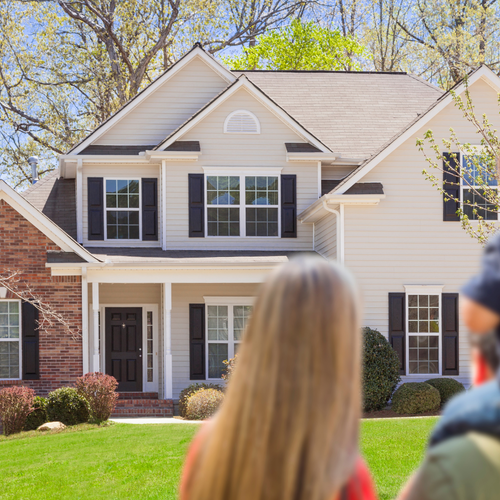


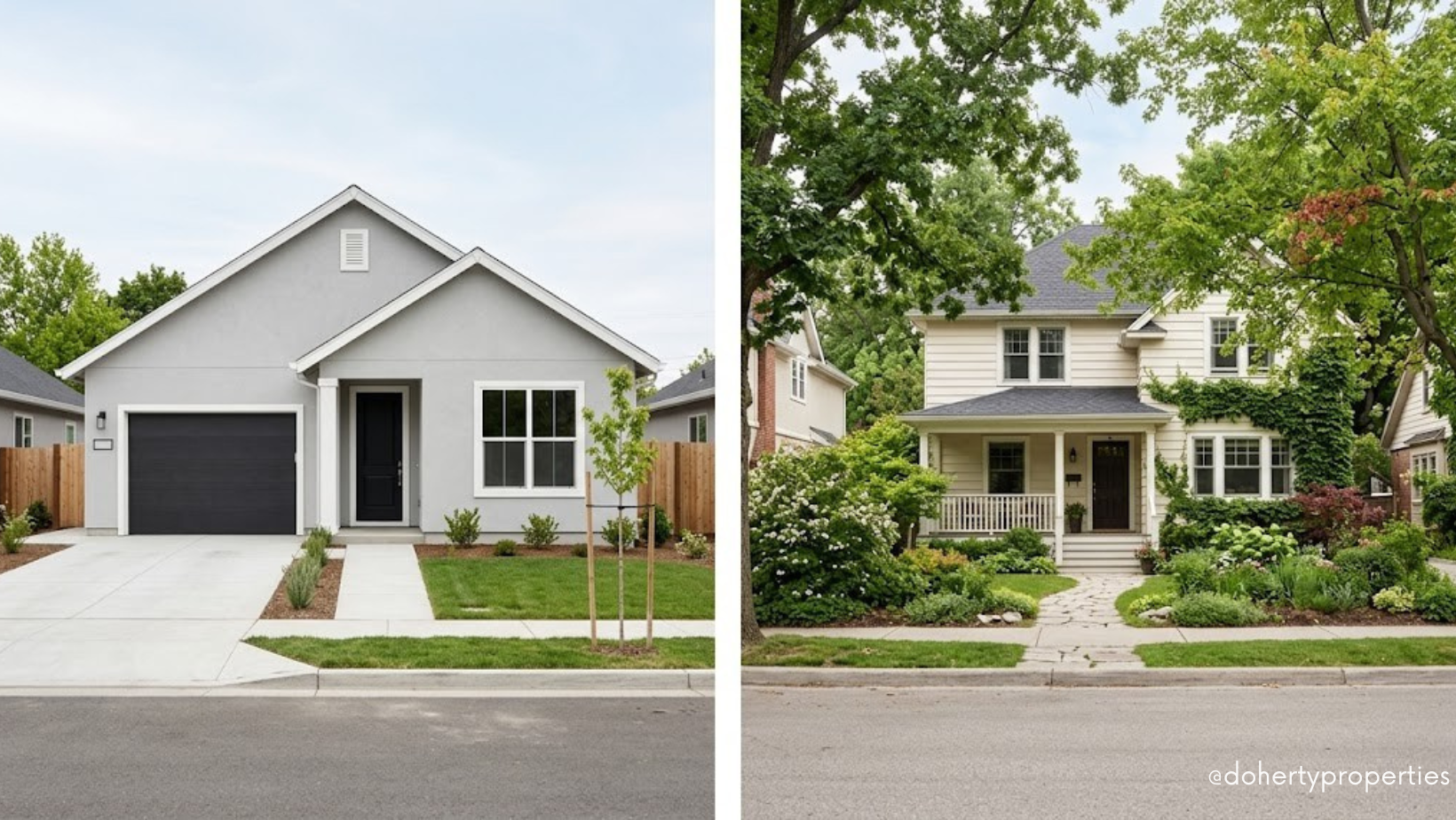
When considering buying a home, one of the biggest decisions you’ll face is whether to go for a new construction or an existing home. Both have their pros and cons, and the right choice depends on your lifestyle, budget, and what you're looking for in a property. Let’s break down the key differences to help you make a more informed decision.
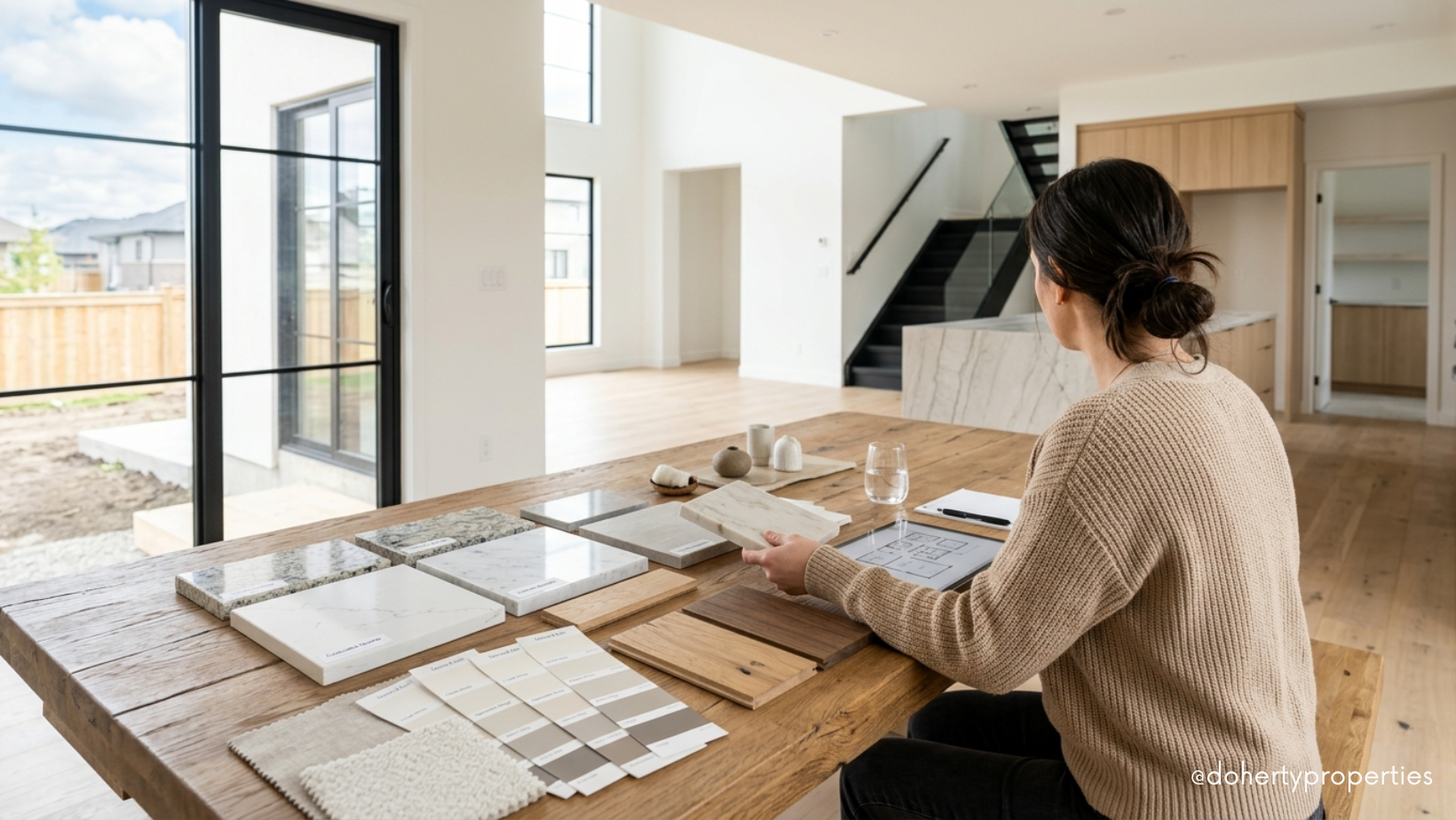
Customization: New Construction Homes
A new construction home often allows for greater customization. From floor plans to finishes, you may have the opportunity to personalize your space to your exact preferences. Whether it’s picking out countertops, flooring, or even the layout, a new build provides a blank canvas for homeowners who want to create their dream home.
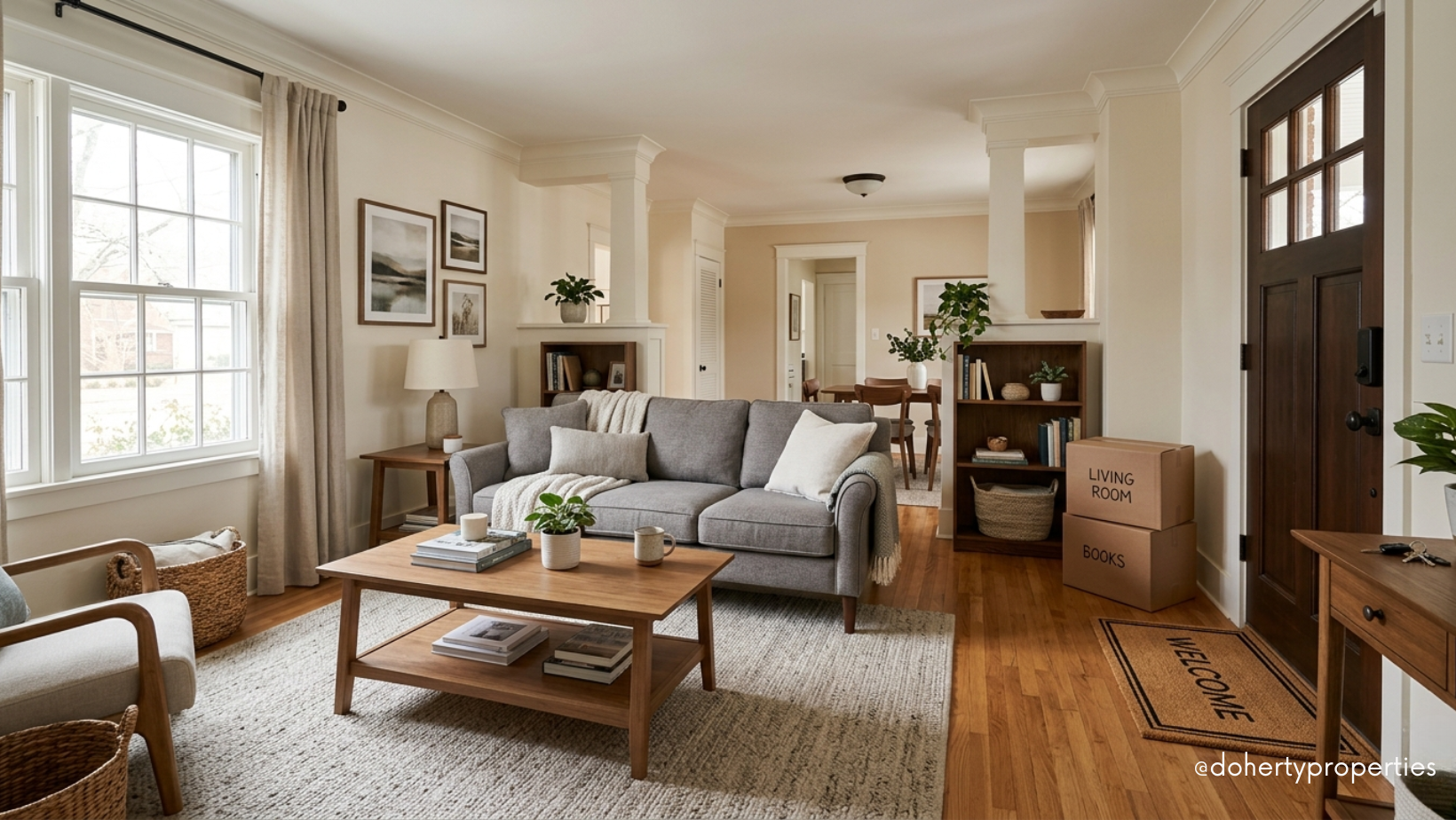
Move-in Ready: Existing Homes
While new homes may offer customization, existing homes come with the advantage of being move-in ready. Once you close the deal, you can start living in the home immediately, without the wait that comes with new construction. This is especially appealing for those who need a home quickly or do not want to wait for construction to finish.
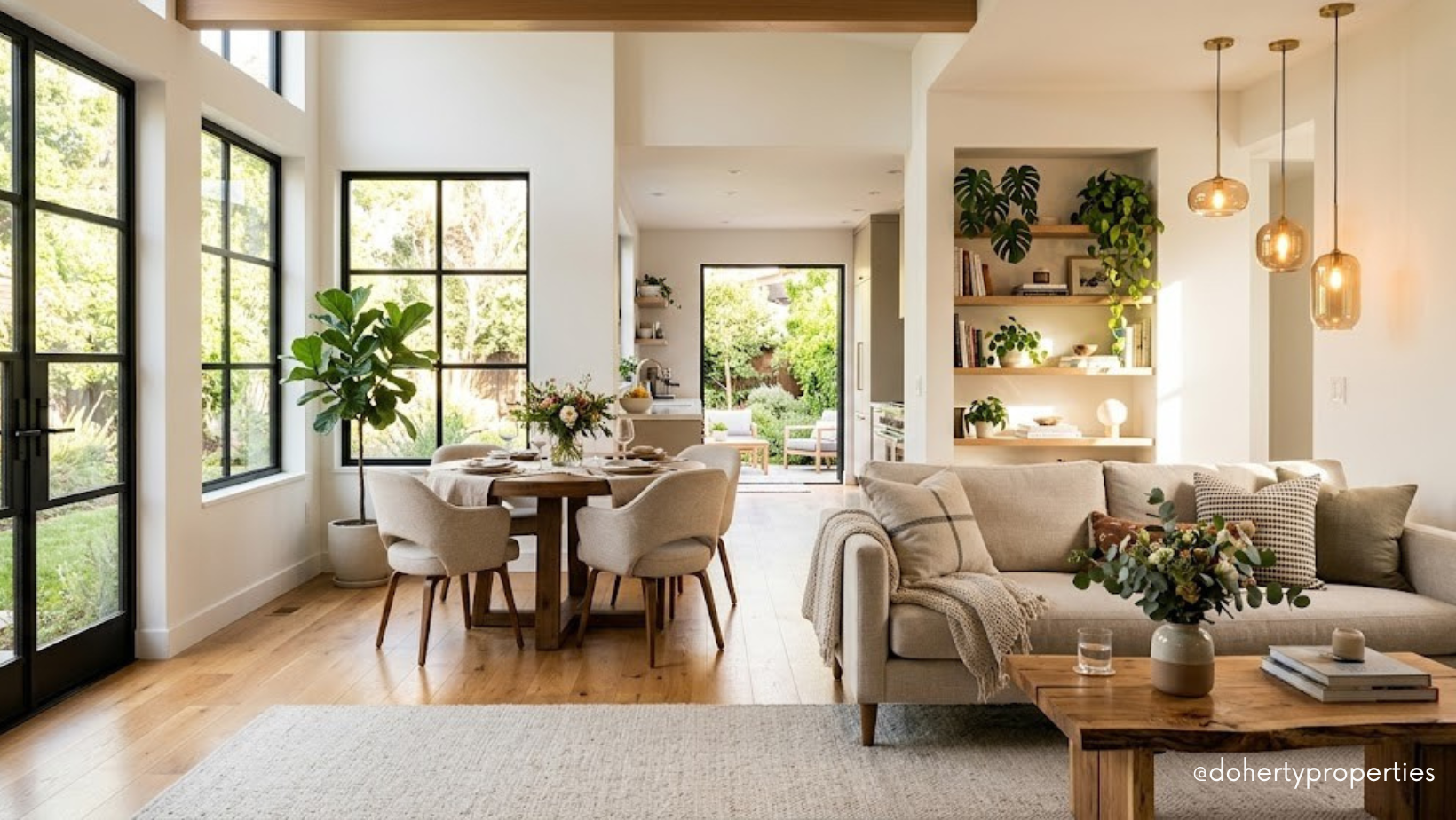
Energy Efficiency: New Construction
Newly built homes often feature the latest in energy-efficient technologies, such as advanced insulation, energy-efficient windows, and modern HVAC systems. These features can result in lower utility bills and a more environmentally friendly living space. If sustainability and reduced energy costs are priorities for you, a new construction home may be the way to go.
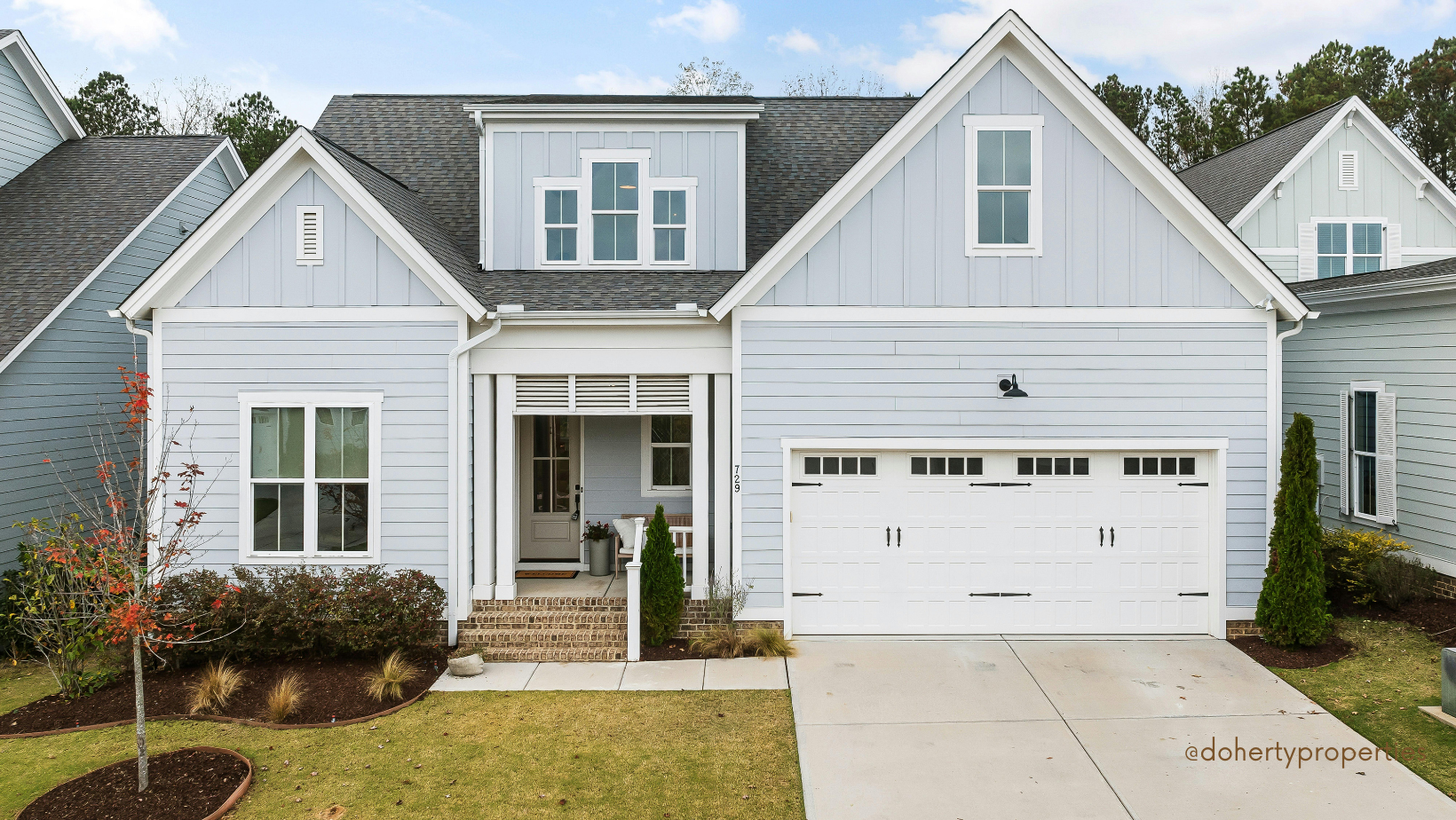
Character & Charm: Existing Homes
One of the most appealing aspects of existing homes is their character. Older homes often have unique architectural details and a sense of history that new homes can lack. Whether it’s a vintage fireplace, original hardwood floors, or a historic neighborhood, existing homes can offer a level of charm and personality that new builds sometimes miss.
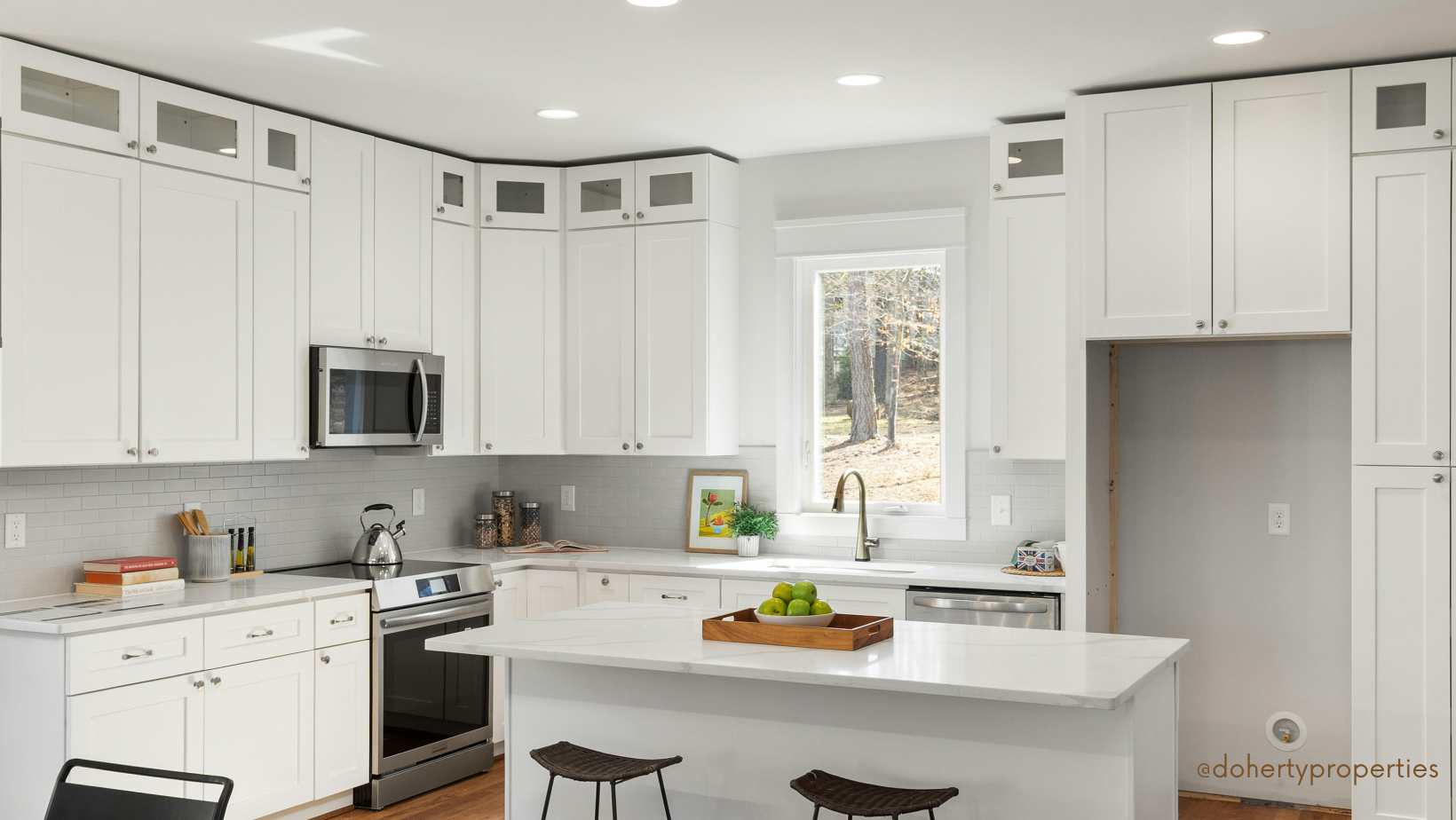
Energy Efficiency: New Construction
Newly built homes often feature the latest in energy-efficient technologies, such as advanced insulation, energy-efficient windows, and modern HVAC systems. These features can result in lower utility bills and a more environmentally friendly living space. If sustainability and reduced energy costs are priorities for you, a new construction home may be the way to go.
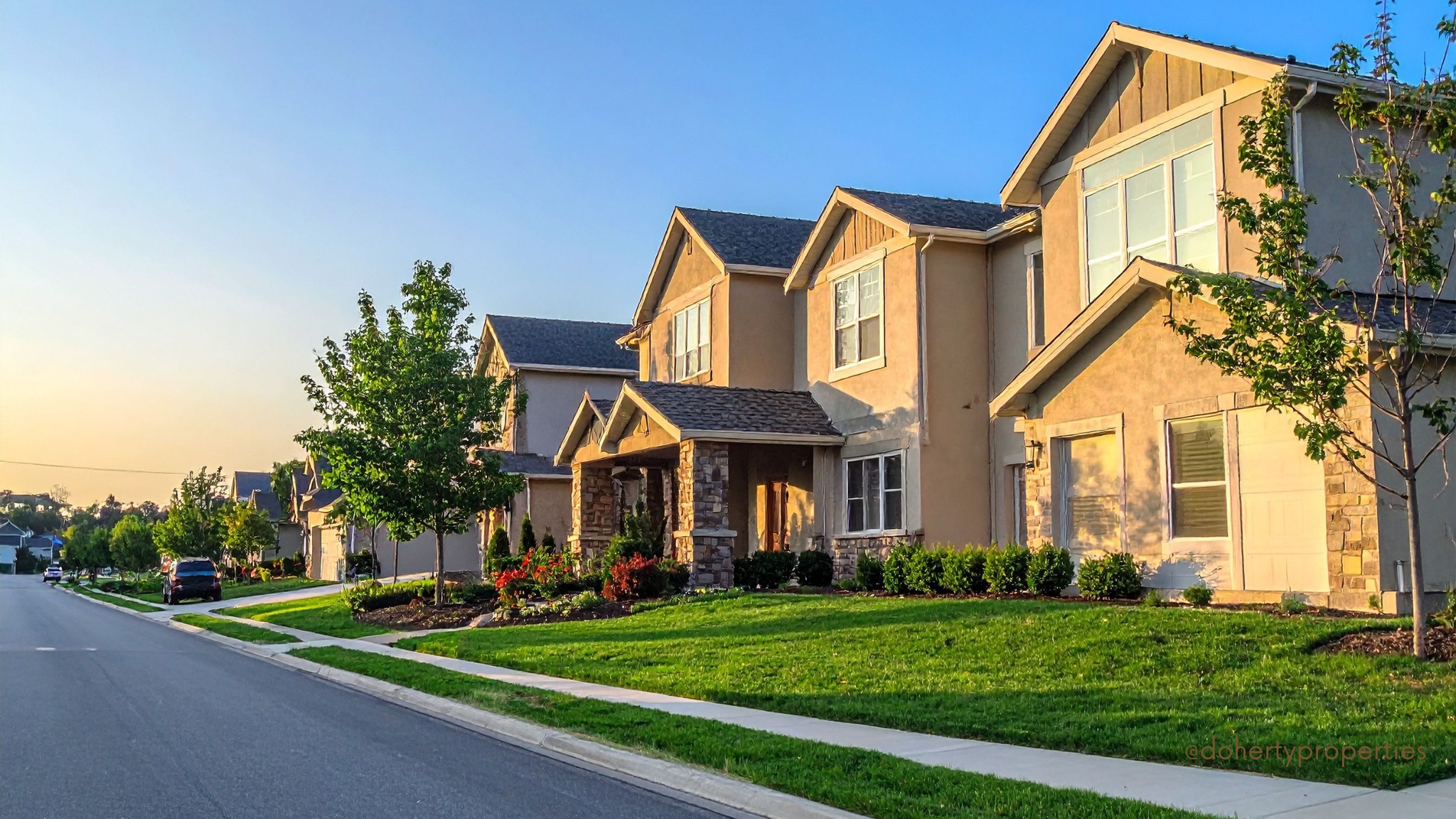
Price: Existing Homes
The price of a home can vary significantly depending on whether it’s new or existing. While new homes may come with a higher price tag due to modern amenities and customization, existing homes might offer better value for those on a tighter budget. However, it’s important to consider the potential for renovation or repair costs in older homes, which can add to the overall expense.
Location: Existing Homes
Existing homes often offer more options in terms of location, especially in established neighborhoods. If you’re looking for a property in a prime location near schools, shopping, and other amenities, an existing home may be your best bet. New constructions are sometimes limited to newly developed areas or suburban locations, which may not always meet your location preferences.
Final Thoughts: Which is Right for You?
Ultimately, the choice between new construction and existing homes comes down to your personal needs and priorities. If you’re looking for modern amenities, energy efficiency, and the opportunity to customize your home, a new build might be the way to go. On the other hand, if you appreciate the charm and character of older homes, or if you're trying to stick to a budget, an existing home might be a better fit.
Both options offer unique advantages, so take your time to weigh the pros and cons based on your lifestyle and financial goals. Whatever you choose, remember that finding a home that fits your needs is the most important factor.
Check out this article next