

Thinking about moving to Westford MA? You're looking at one of Massachusetts' most balanced suburbs — a town of about 24,600 people where top-ranked schools, a thriving tech economy, and genuine village character come together across 31 square miles. Whether you're relocating for work along the I-495 corridor or trading a Boston-area rental for space to grow, here's what to know before you move.
The Character: Villages, Not Subdivisions
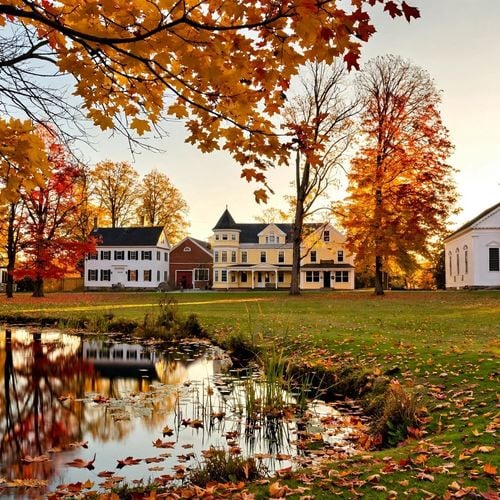
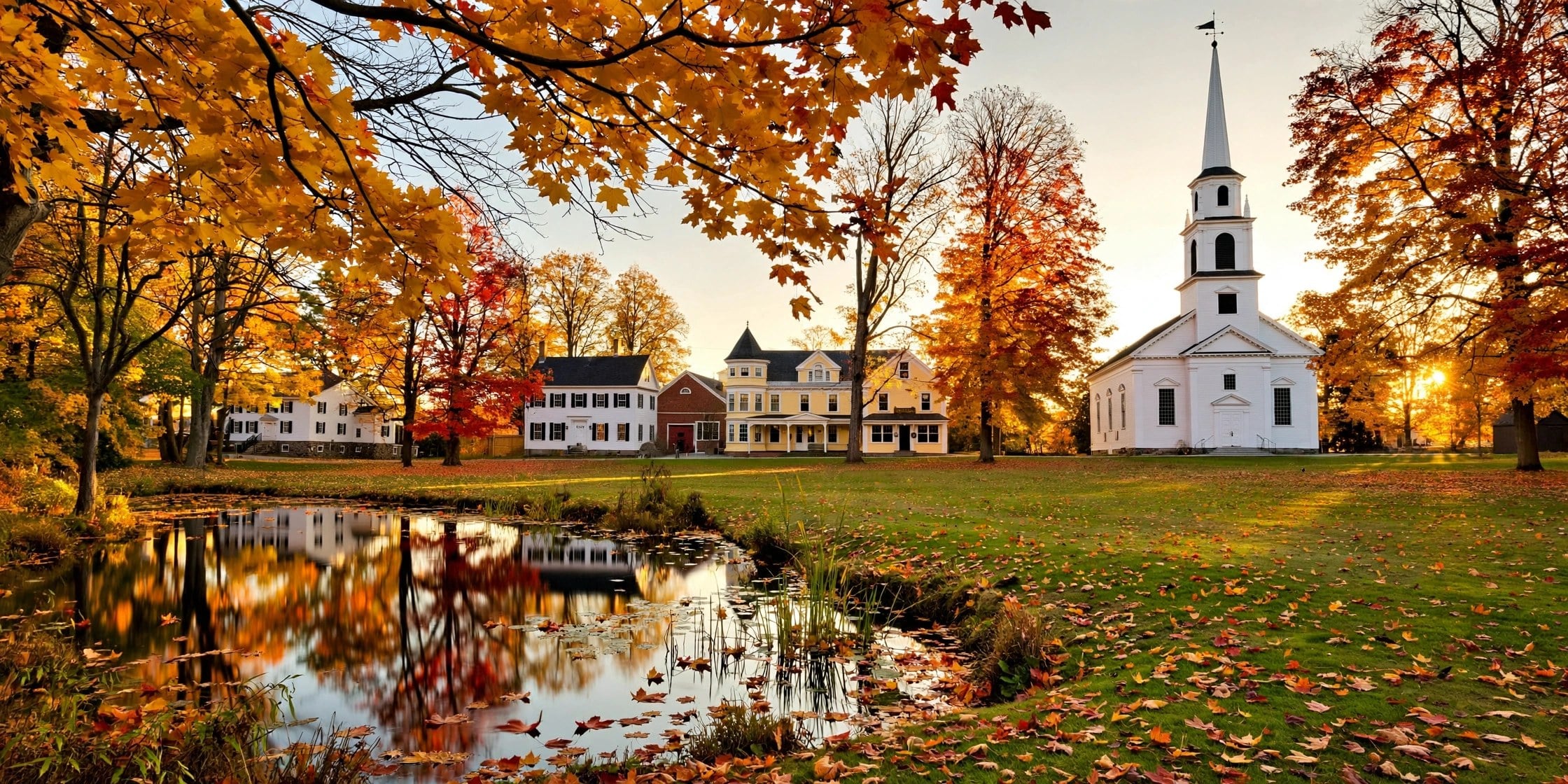
Westford's defining feature is that it doesn't feel like one big suburb — it feels like five villages sharing a school district. Westford Center has the historic common and library; Forge Village has mill-era character and an arts scene; Graniteville has working-town roots; Nabnasset has lake culture; Brookside has quiet southern streets. Residents identify with their village, and each has its own rhythm.
That village structure gives Westford something rare: community at a human scale, inside a town with serious economic weight. About 88 percent of homes are single-family and 88 percent are owner-occupied, so neighborhoods are stable and invested.
The Economy: The I-495 Tech Corridor
Westford is a genuine employment center, not just a bedroom town. Major technology employers — including NETSCOUT, Red Hat, Samsung, and Seagate — line Route 110 parallel to I-495, and the corridor keeps attracting high-skill jobs. Median household income runs around $181,500, reflecting the professional workforce.
What this means for you: a local job market that supports housing values, short commutes for tech workers, and a town government funded well enough to maintain excellent services and schools.
Schools: Among the Best in Massachusetts
Schools are the number one reason families move to Westford, and the reputation is earned:
- Westford Academy (grades 9–12) — ranked 9th of 348 Massachusetts high schools, 10/10 rating, average SAT around 1340, 98 percent graduation rate
- Stony Brook and Blanchard middle schools — ranked 17th and 29th of 493 middle schools statewide
- Elementary schools — Abbot and Crisafulli rank in the top 15 percent of state elementaries; Nabnasset, Miller, Robinson, and Day round out a deep bench
One school district serves the whole town, so every village feeds the same excellent system. For families, that removes the most stressful variable from the town-choice equation.
Commuting: Highways Plus Rail Access
Westford sits at the junction of I-495 and Route 110, with Route 3 close by — giving drivers fast routes to Burlington, Lowell, Nashua, and the Route 128 belt. Boston is about 37 miles away, roughly a 49-minute drive outside rush hour.
Rail commuters use the Littleton/Route 495 MBTA station on the Fitchburg line, minutes from most of Westford, with rides to Boston in about 35 minutes. The Lowell Regional Transit Authority also provides local bus service. Many residents mix and match: drive to the station, train to the city.
Cost of Living and Housing
Westford is an upper-middle-class town, and housing is the biggest line item. The median single-family sale price is near $885,000, with condos around $650,000. Property taxes reflect the schools and services — get the exact figure for any home you're considering and build it into your monthly budget.
Everyday costs — groceries, dining, services — run typical for the Boston suburbs. The tradeoff is real: you pay more than in Lowell or Dracut, but you get top-tier schools, larger lots, and a tech-corridor location that protects your investment.
Recreation and Daily Life
Westford punches above its weight on quality of life:
- Nabnasset Lake — swimming at Edwards Beach (free for residents), fishing, and lake views
- Forge Pond — scenic water and trails in Forge Village
- Bruce Freeman Rail Trail — miles of paved trail for walking, running, and biking
- Parish Center for the Arts — concerts and cultural events in a historic village setting
- Town common and library — the J.V. Fletcher Library and Roudenbush Community Center anchor community life
Dining and shopping cluster along Route 110 and in Westford Center, with the broader Merrimack Valley and Nashua's retail minutes away.
What to Know Before You Buy
A few Westford-specific tips for newcomers:
- Village boundaries are informal — confirm school assignments, septic vs. sewer, and services by parcel, not by village name.
- Septic is common — many homes use private septic; Massachusetts Title 5 inspections are part of every sale.
- Winters are real — budget for snow removal and heating; ask sellers for utility history.
- The market moves fast — homes average about four offers and three weeks to agreement; come pre-approved and ready.
Day-to-Day Practicalities
A few things newcomers appreciate knowing: Westford runs an open town meeting form of government, so residents have a direct voice in budgets and bylaws. Trash and recycling are handled through the town's program — check the current schedule when you move in. The town's villages each have their own post office identity, and longtime residents will ask which village you live in before they ask your street. Embrace it — village pride runs deep here, and it's part of what makes Westford feel like home quickly.
Moving to Westford MA: The Bottom Line
Westford offers a combination that's genuinely hard to replicate: elite public schools, a strong local economy, village character, and commuter access to Boston — all in a town that still has room to breathe. If your priorities are schools, space, and long-term value, it belongs at the top of your list.
Make the move with Chris Doherty, one of the Merrimack Valley's top relocation specialists, and the team at Doherty Properties. We'll help you compare Westford's villages, understand the true cost of each option, and land in the neighborhood that fits your life.
Check out this article next