

Thinking about moving to Pelham NH? You're looking at one of southern New Hampshire's best-positioned border towns: a rural-suburban community of about 15,000 people where wooded lots and quiet roads sit 20 minutes from Lowell, 45 minutes from Boston, and minutes from the Massachusetts line. Here's everything you should know before you make the move.
The Town in a Nutshell
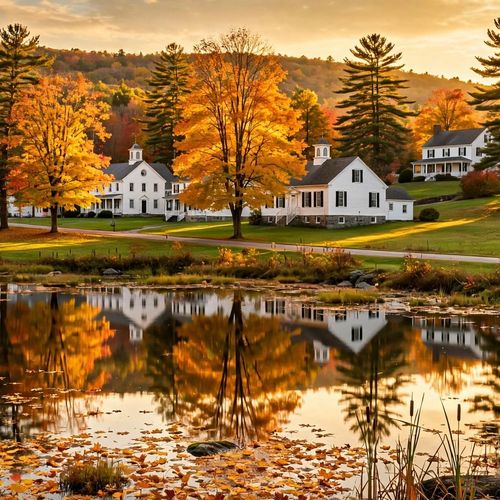
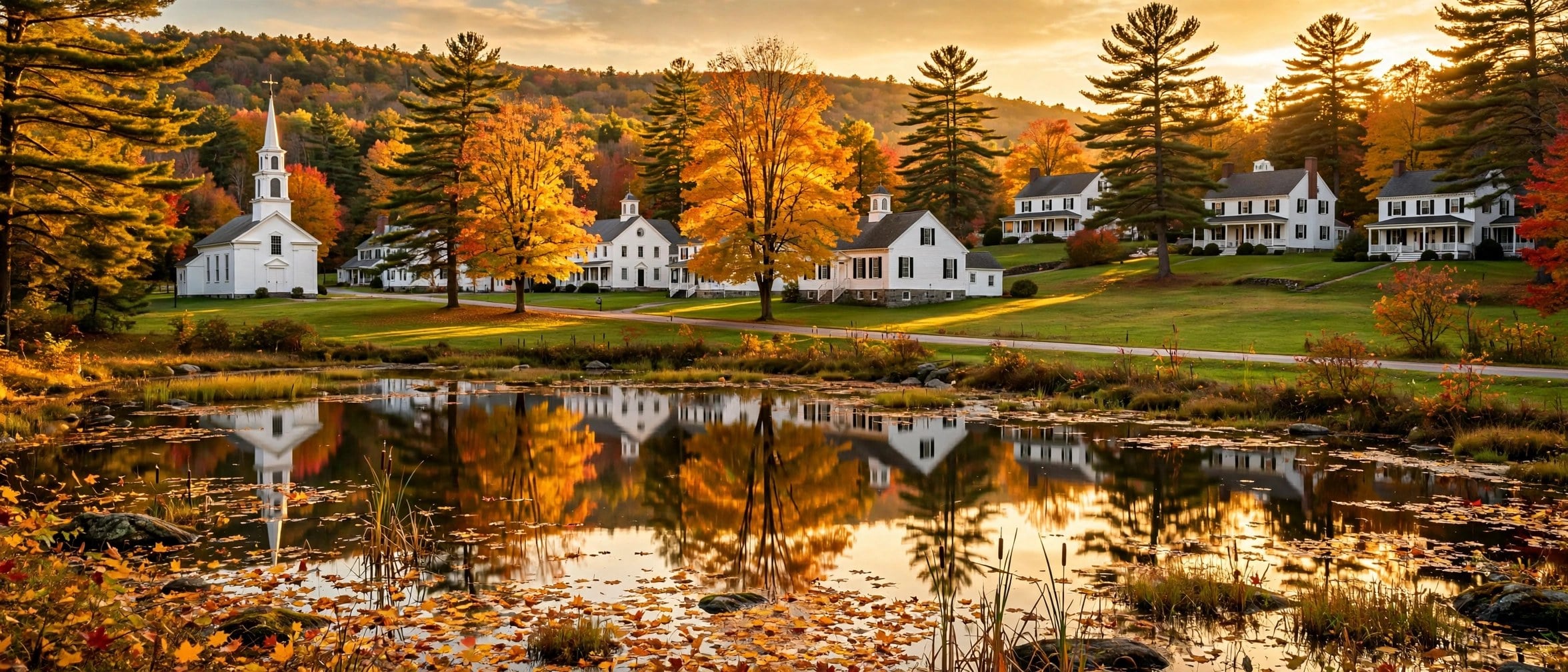
Pelham sits in Hillsborough County, right on the Massachusetts border, with a single zip code (03076). It's a town of Colonials and Capes on generous lots, tall pines and stone walls, and a genuine small-town feel — the Village Green, the public library, and town offices anchor a classic New England center. The population has grown steadily, up more than 4 percent since 2020, as buyers discover what locals have known for years: Pelham delivers space and serenity without sacrificing access.
The housing stock is overwhelmingly owner-occupied — nearly 87 percent — and the median household income runs around $136,000. Translation: this is a stable, established community of homeowners, not a transient rental town.
The Tax Advantage of Moving to Pelham NH
Let's talk about the reason so many Massachusetts buyers end up moving to Pelham NH. New Hampshire has no state income tax on wages and no sales tax — and since the repeal of the interest and dividends tax effective January 1, 2025, there is no personal income tax in New Hampshire at all. A Massachusetts household earning $150,000 keeps roughly $7,500 a year by living on the New Hampshire side of the border.
The honest counterpoint: property taxes are higher in New Hampshire because they fund local schools and municipal services. Pelham's effective rates reflect that reality. But for most working households — especially dual-income families — the income-tax savings outweigh the property-tax difference, often by thousands of dollars a year. Run your own numbers, but this is the math that keeps Pelham's demand pipeline full.
Commuting: The Border-Town Advantage
Pelham's location is its calling card:
- Lowell, MA: About 20 minutes south via Route 38 (Bridge Street)
- Nashua, NH: About 15–20 minutes northwest
- Salem, NH / I-93: About 10–15 minutes east via Route 111A — then 45 minutes to Boston
- Boston, MA: About 45 minutes (37 miles) via I-93 in normal traffic
- Manchester-Boston Regional Airport: About 25 miles — real commercial flights without the Logan trek
More than half of Pelham's working residents commute out of state, and the average commute runs under 30 minutes. This is a car town — plan on driving — but the drives are short and the routes are simple.
Schools: The Pelham School District
Families moving to Pelham get a compact, community-centered school district with all three schools on one campus along Marsh Road:
- Pelham Elementary School (PK–5) — the district's academic standout, earning strong statewide rankings with reading proficiency well above state averages
- Pelham Memorial School (6–8) — the middle school, serving Pelham's tweens in the heart of town
- Pelham High School (9–12) — with a four-year graduation rate around 89 percent and strong reading performance
Having every school on one road simplifies family logistics enormously — one drop-off corridor, one sports complex area, one community of families.
Recreation and Town Life
Pelham punches above its weight for a town its size:
- George M. Muldoon Park — walking trails and an 18-hole disc golf course through the woods
- Pelham Veterans Memorial Park — beach and waterfront recreation in the summer
- Little Island Pond — boating, kayaking, swimming, and fishing
- Hobbs Park — ball fields, fitness trail, and community sports
- Chunky's Cinema Pub — dinner-and-a-movie nights without leaving town
- Village Green and Pelham Public Library — the civic heart of the community
And when you want more, Salem's retail corridor, Nashua's downtown and dining, and Lowell's arts and culture are all a short drive away.
Cost of Living: What to Budget
The median home sale price in Pelham runs near $700,000, with single-family medians around $811,000 and condos and townhouses offering entry points from the mid-$300s. Beyond the mortgage, budget for:
- Property taxes — higher than Massachusetts; get the exact figure for any home you're considering
- Heating — many homes use oil, propane, or natural gas; ask for utility history
- Well and septic maintenance — common on Pelham's larger lots; budget for periodic pumping and testing
- Commuting costs — you're driving, so factor gas and the occasional toll
Offsetting all of that: no income tax, no sales tax, and home prices that buy you twice the land of comparable Massachusetts towns.
Practical Notes for Newcomers
- Wells and septic: Many Pelham homes use private wells and septic systems rather than town water and sewer. This is normal in southern New Hampshire — just get both inspected and tested before you buy.
- Snow: Budget for a plow service or a good snowblower. New Hampshire winters are real, and Pelham's longer driveways mean more shoveling.
- Internet: Broadband is widely available, and remote workers settle here happily — but verify high-speed options at any specific rural address before you commit.
- Town services: Trash, recycling, and town offices run through Pelham's municipal government centered on the Village Green area.
Moving to Pelham NH means choosing space over sprawl, tax savings over tax bills, and a genuine community over an anonymous suburb. Chris Doherty, consistently ranked among the top agents in the region, helps buyers relocate to Pelham from Massachusetts and beyond every year — reach out to Doherty Properties for a relocation game plan built around your timeline.
Check out this article next