


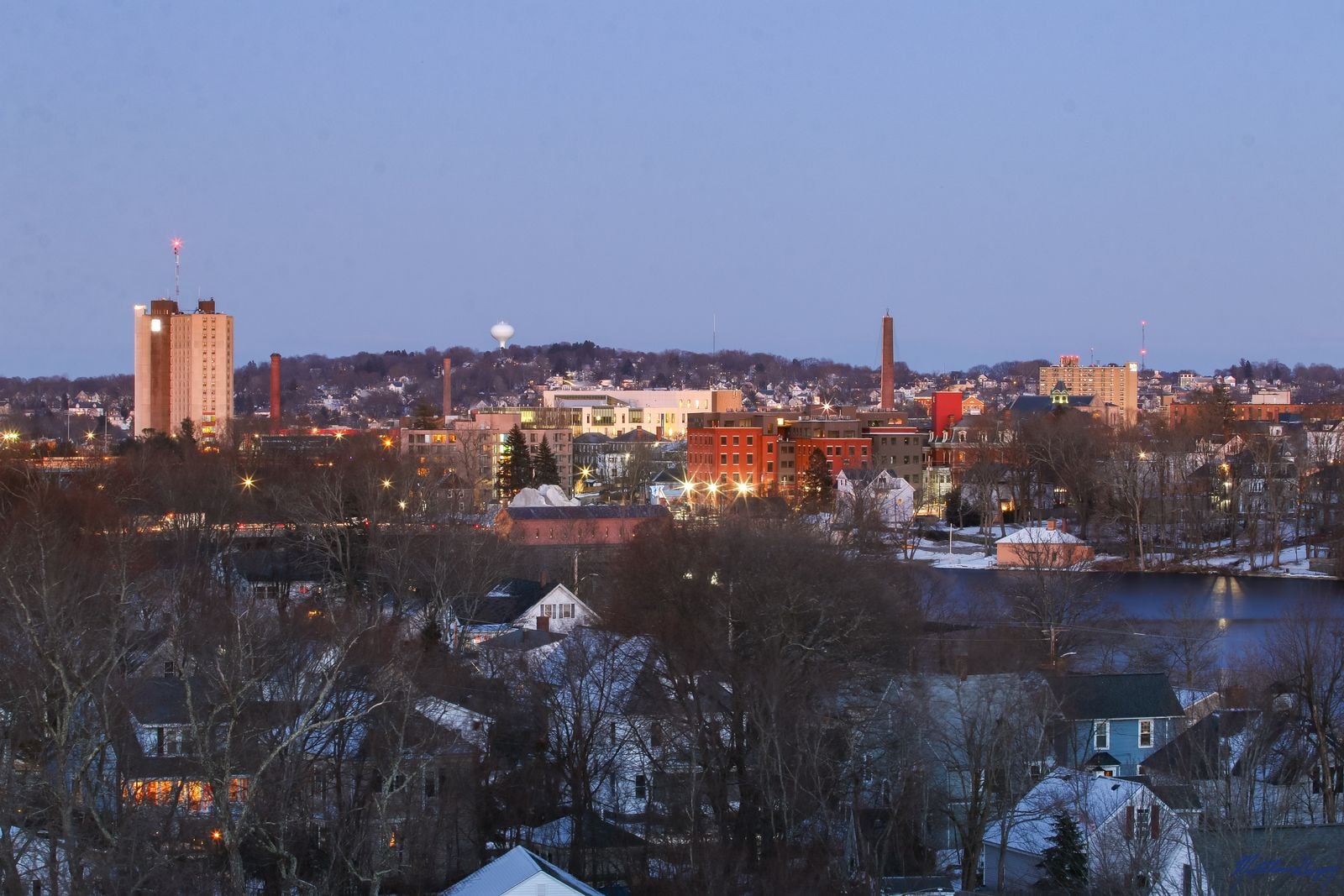
Ask people why they moved to Lowell and you'll get a hundred different answers — the commuter rail, the mill lofts, UMass Lowell, the food scene, the price tag next to Boston's. But they all land in the same place: Lowell is the Merrimack Valley city where you can actually build a life — buy a home, walk to dinner, catch a train to Boston, and still have money left over. Here's the honest guide to living in Lowell, MA, from someone who sells homes here every week.
Why Buyers Keep Choosing Lowell
Lowell's pitch is simple and hard to beat. It's a real city — the fourth-largest in Massachusetts — with a downtown that has restaurants, theaters, museums, and nightlife, plus the Lowell Line commuter rail running straight to Boston's North Station. For buyers priced out of Boston, Cambridge, and Somerville, Lowell is where the math finally works: historic character, genuine urban energy, and homes that don't require a seven-figure budget. And unlike a distant suburb, you're buying into a place with its own gravity — jobs, a university, hospitals, and a cultural calendar that doesn't depend on Boston at all.
The Neighborhoods in One Pass
Lowell's neighborhoods each have a distinct personality. Belvidere is the classic established choice — grand older homes on leafy streets. The Highlands offers space and value with easy Route 3 access. Pawtucketville is family territory near UMass Lowell. Centralville and Back Central deliver riverside value close to downtown. The Acre is Lowell's historic heart, full of character and some of the city's best food. South Lowell is quiet and affordable. Sacred Heart flies under the radar with honest value. And downtown itself is mill-loft country — exposed brick, high ceilings, and a walk-to-everything lifestyle. Where you land depends on whether you want a yard, a train platform, or a skyline view.
A Day in the Life
Living in Lowell means options. Morning coffee on Merrimack Street, a commute that's either a train ride or a reverse-commute drive, lunch from any one of a dozen cuisines — Lowell's immigrant communities have made it one of the best food cities its size in New England. Evenings might mean a Tsongas Center concert, a Merrimack Repertory Theatre show, or a walk along the canals in Lowell National Historical Park. Weekends: the Lowell Folk Festival in summer, farmers markets, and Western Ave Studios open studios. This isn't a bedroom community — it's a place with its own weekends.
What Buyers Should Know
A few practical notes. Lowell's housing stock is wonderfully varied — Victorians, mill conversions, triple-deckers, mid-century ranches, new construction — which means there's a fit for almost every budget and lifestyle, but also means condition varies block to block; a good inspection matters here more than most places. Property taxes and insurance are part of the math like anywhere. And if you're commuting to Boston, live near the train if you can — the Lowell Line is the single biggest lifestyle upgrade a Lowell buyer can buy. Reach out for current figures on any neighborhood; the market moves and general guides go stale fast.
Come See Lowell Like a Local
The best way to understand living in Lowell is to spend a day here the way residents do — coffee downtown, a walk through two or three neighborhoods, dinner on Merrimack Street. Chris Doherty is one of Greater Lowell's top-producing agents, closing 100+ transactions a year, and nobody knows these streets block-by-block like the Doherty Properties team. Reach out and we'll build you a tour that shows you the real Lowell — the one people stay for.
Check out this article next