


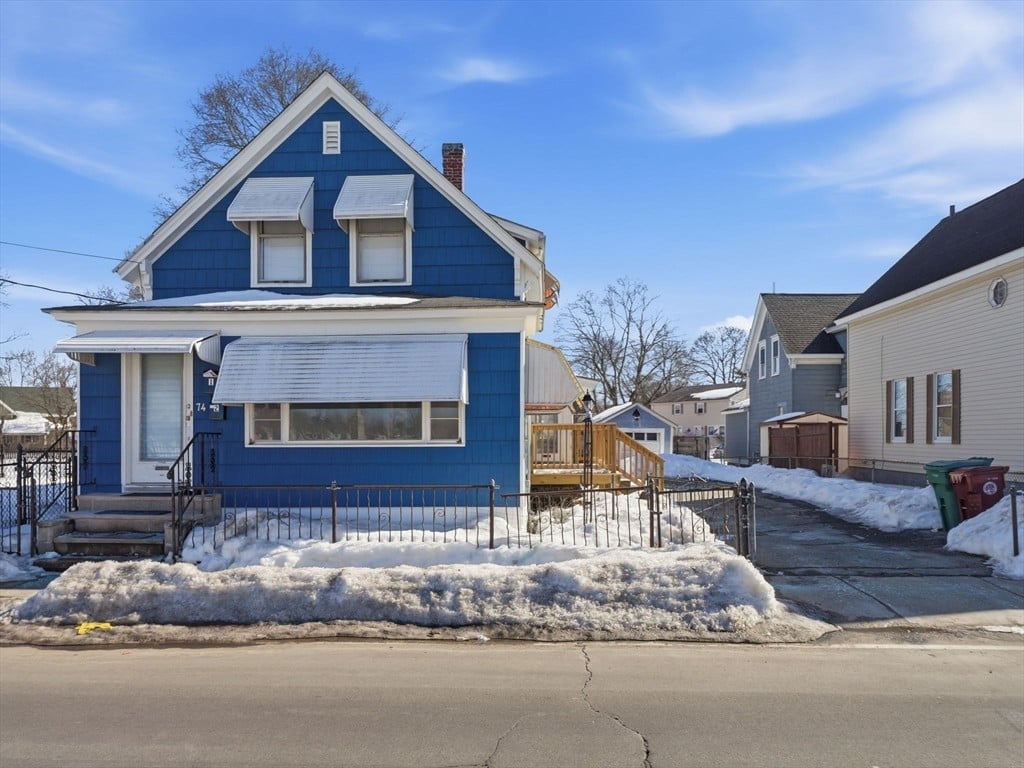
How to Price Your Lowell Home to Sell Fast and for More
Pricing is the single most important decision you will make when selling your Lowell home. Price too high and buyers scroll past, showings dry up, and you end up chasing the market down with reductions. Price too low and you leave money on the table. Price it right and you attract strong interest, competitive offers, and often a sale above asking. Here is how to get it right.
Start With Real Comparable Sales
The foundation of smart pricing is a comparative market analysis — a review of recently sold homes in Lowell that are similar to yours in size, style, condition, age, and neighborhood. Not active listings (those are asking prices, not results) and not outdated sales. Recent closed sales of truly comparable homes are the market's honest verdict on what buyers will pay. A great listing agent pulls the right comps, adjusts for differences, and shows you exactly how the number was reached.
Understand What Buyers See Online
Today's buyers shop with search filters, and pricing bands matter. If your home is worth just over a common search threshold, pricing just under it can dramatically increase the number of buyers who see your listing. Strategic pricing within search brackets is a small detail that can produce a big difference in showing traffic — and more showings mean more offers.
The First Two Weeks Are Everything
The highest buyer excitement for any listing happens in the first days and weeks on the market. New listings get email alerts, top placement on search sites, and a surge of showing requests. Homes priced correctly from day one capture that energy and often draw multiple offers. Homes that start too high miss the wave — and once a listing goes stale, even a later price reduction rarely recreates the original excitement. The lesson: your first price is your best price. Get it right the first time.
What "Testing the Market" Really Costs
Some sellers are tempted to list high "just to see" if someone will pay it. The data on this strategy is not kind: overpriced homes sit longer, accumulate days on market that make buyers suspicious, and typically sell for less than they would have at a correct initial price. Meanwhile the seller keeps paying the mortgage, taxes, and insurance. Starting high to "leave room to negotiate" usually costs money instead of making it.
Condition, Presentation, and Pricing Work Together
Pricing does not happen in a vacuum. A home that is clean, decluttered, freshly painted, and photographed professionally can justify a stronger price than the same floor plan showing tired and cluttered. Before finalizing your list price, make the affordable improvements that let your home show at its best — then price it to reflect the home buyers will actually walk into, not the home it could be after a renovation.
Reading Buyer Feedback and Adjusting
Even with great pricing, the market gives feedback. If showings are strong but no offers come, the price may be slightly ahead of perceived value. If showings are thin from the start, the price is likely the barrier. A good agent tracks showing activity and buyer feedback closely and gives you an honest read — not just reassurance. Small, timely adjustments beat large, late ones every time.
The Bottom Line
Smart pricing is about positioning your Lowell home exactly where the most buyers see the most value — then letting competition do the rest. It is equal parts market data, buyer psychology, and local experience.
When you are ready to sell, reach out to Chris Doherty, the top realtor serving Lowell, MA. Chris prices homes with precision, markets them to create competition, and negotiates hard to get you top dollar — contact him today for a free home pricing analysis.
Check out this article next