

One of the most crucial decisions you'll make when selling your home is setting the right asking price. Price it too high, and you may scare off potential buyers. Price it too low, and you risk losing out on valuable profits. Finding the sweet spot is key to attracting the right buyers and securing a successful sale. Here’s how to price your home correctly for the market.
Understand Your Local Market
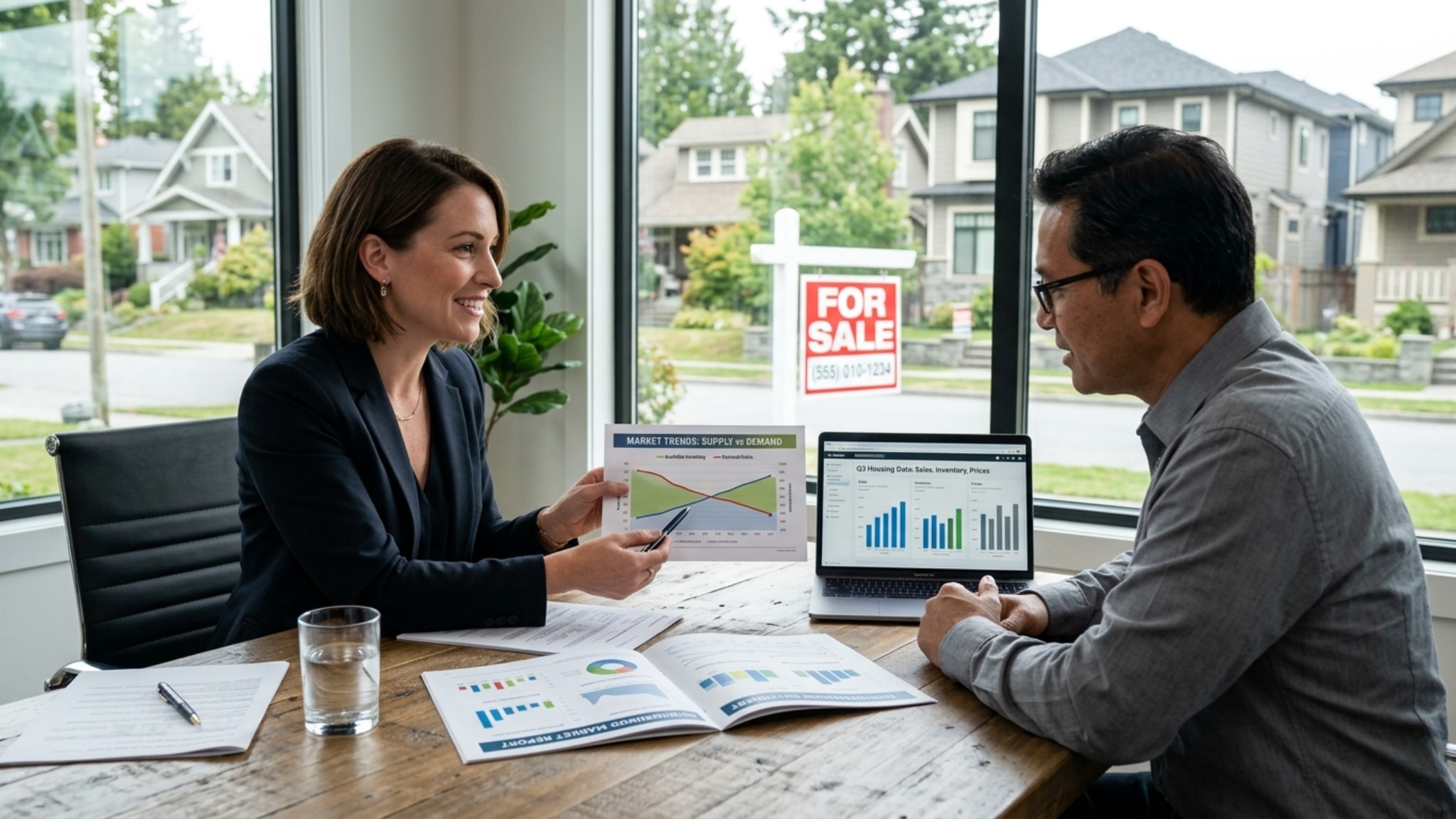
Before you even think about setting a price, it’s essential to understand the current market conditions. Are you in a seller’s market, where demand outpaces supply? Or is it a buyer’s market, with more homes available than buyers? In a seller’s market, you might have more room for flexibility with your asking price, but in a buyer’s market, pricing competitively is crucial.
Look at Comparable Homes (Comps)
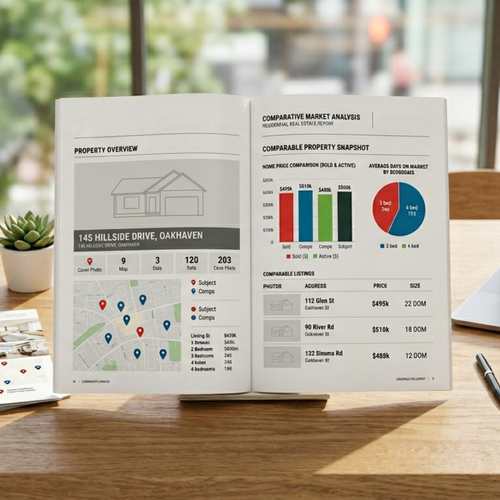
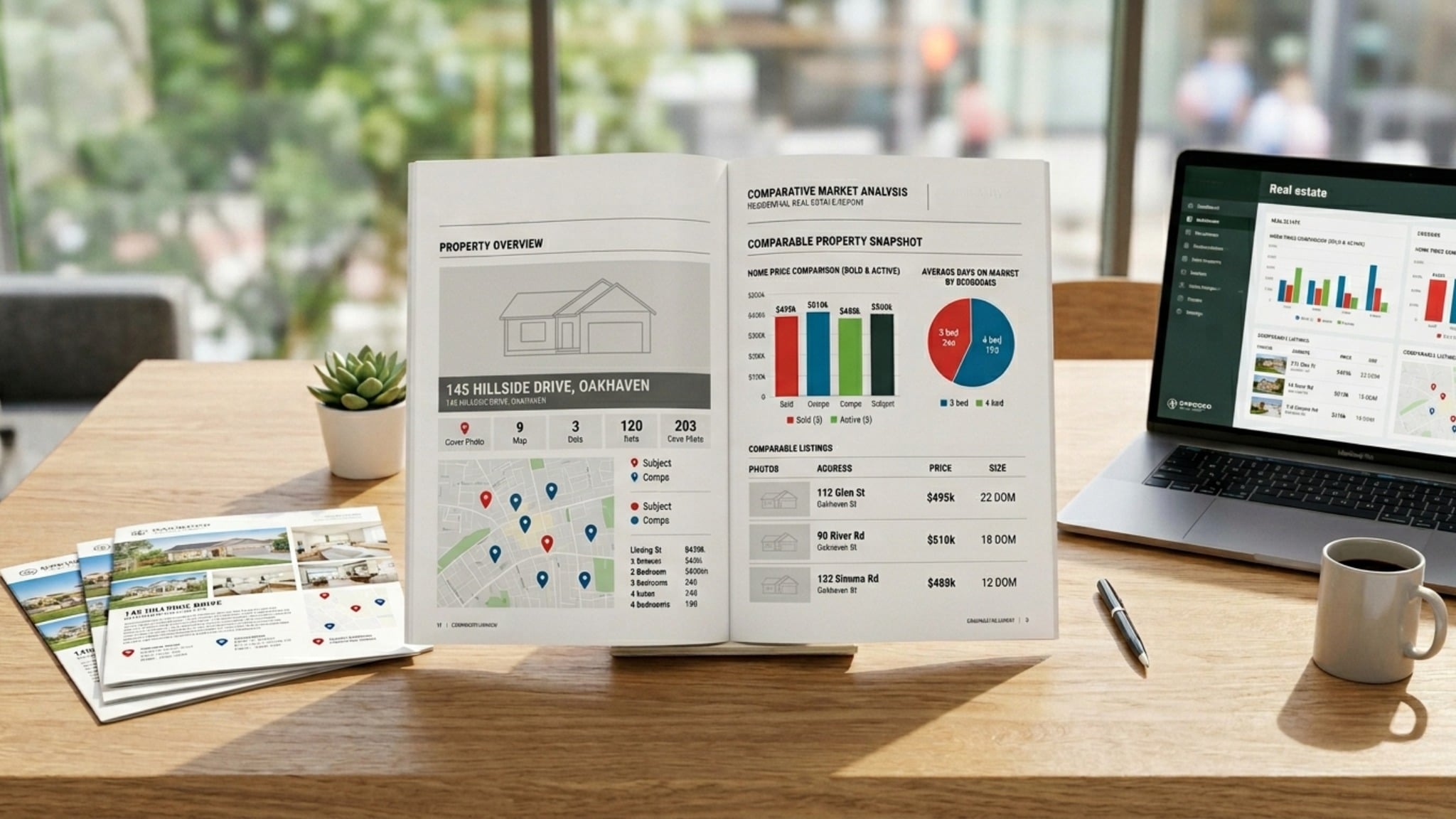
One of the most effective ways to price your home is by comparing it to similar homes that have recently sold in your area, known as "comps." A real estate agent can help you find properties with similar square footage, amenities, and age to your home. Pay attention to the sale price, how long the property was on the market, and the features that made it stand out.
Consider Your Home's Unique Features
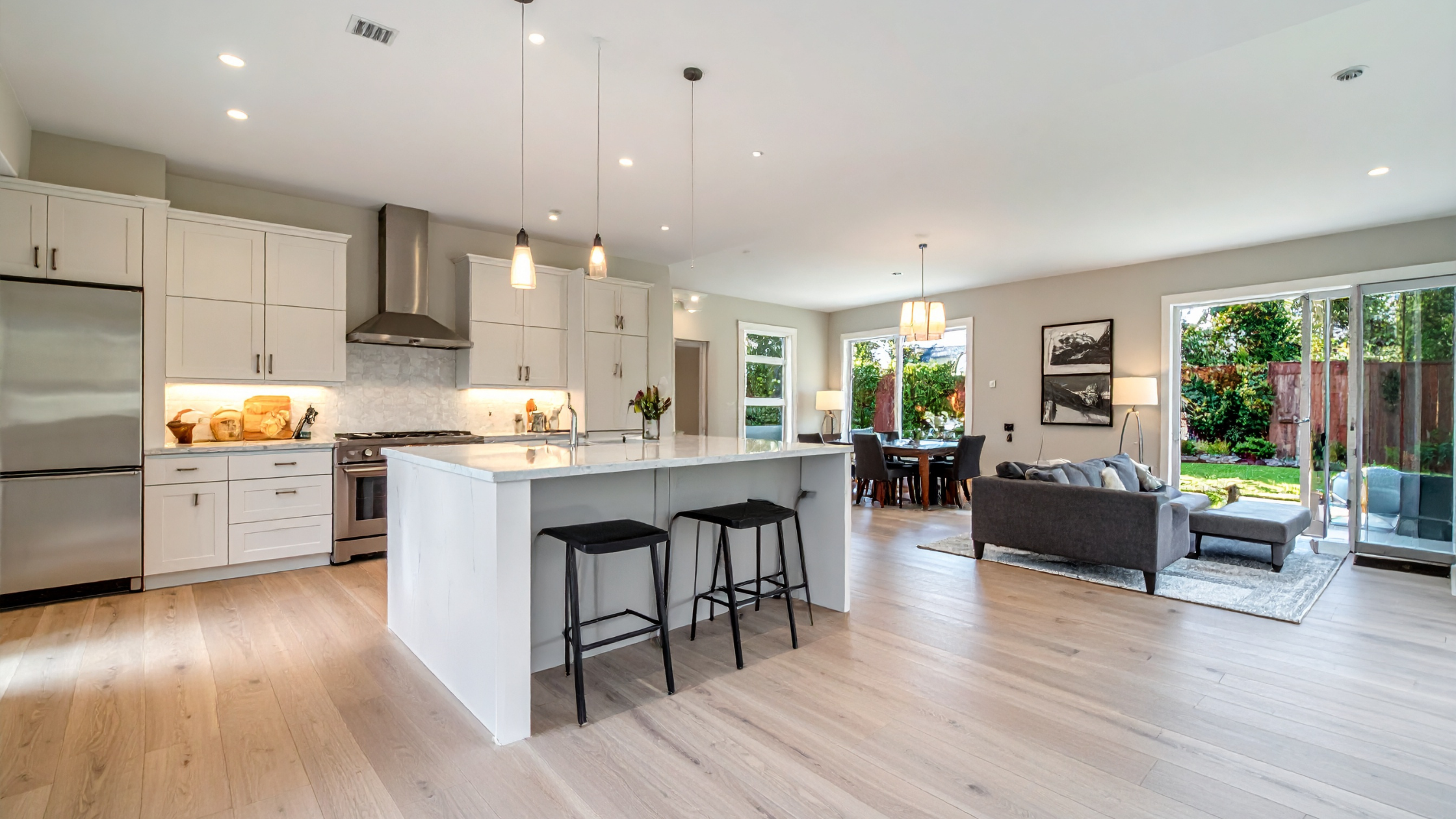
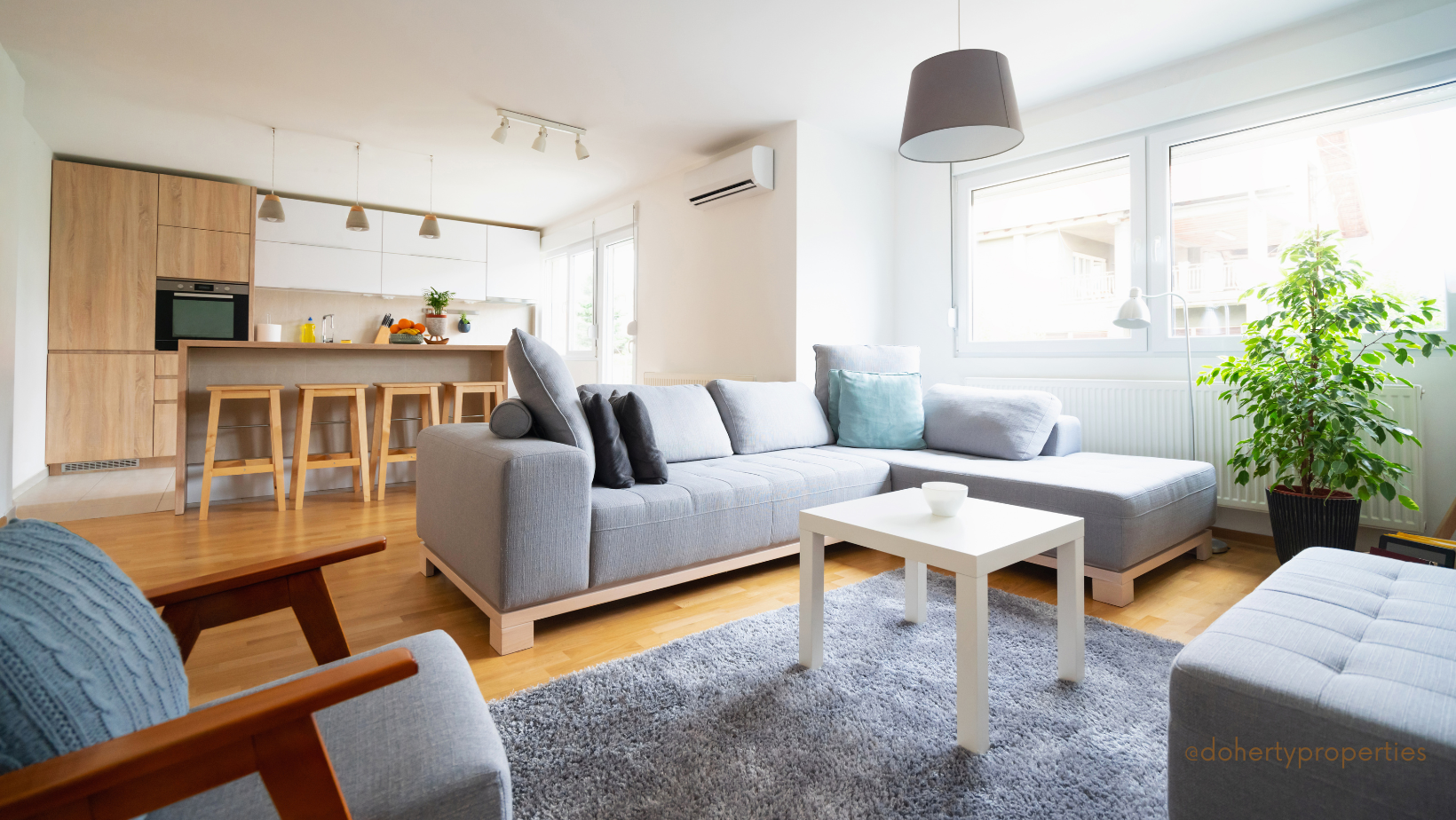
Your home may have unique features that could make it more desirable or valuable. For instance, recent renovations, a large backyard, a modern kitchen, or proximity to top-rated schools can all be factors that increase your home’s appeal. However, don’t overestimate these improvements. Your home should still fall within the price range of similar homes in the area.

Think About the Buyer’s Perspective
Buyers are savvy. They’re looking for value for their money and will research homes in your area. If your asking price seems out of line with comparable homes, buyers may pass on your listing. Consider pricing your home slightly below market value to generate interest and encourage multiple offers, which can drive up the final sale price.
Factor in Market Conditions
Keep in mind any seasonal fluctuations or economic factors that could affect your home’s price. For example, if you’re selling in the winter months, fewer buyers may be actively searching, so you might need to price your home more competitively to attract offers. Similarly, rising interest rates may slow the market, making it important to price more strategically.

Work with a Professional Real Estate Agent
A real estate agent with experience in your area can be an invaluable resource when determining your home’s asking price. They’ll have up-to-date knowledge of market trends and can help you set a competitive yet realistic price based on their expertise. A skilled agent can also provide insight into which upgrades or repairs might add value to your home.
Be Prepared to Adjust
Pricing your home isn’t a one-and-done decision. If your home isn’t attracting buyers or if it’s sitting on the market for too long, it may be time to reconsider the price. Be flexible and open to feedback. The goal is to get your home sold, and sometimes that requires adjusting your asking price based on market reactions.

Consider Your Timeframe
How quickly do you need to sell? If you're in a hurry, pricing your home slightly below market value can help speed up the sale process. However, if you're not in a rush and can afford to wait, you might choose to set a higher price with the expectation that it will take longer to find the right buyer.
Conclusion
Getting your home priced correctly is key to selling successfully. By understanding the market, looking at comps, factoring in your home’s unique features, and working with a professional agent, you’ll be in a great position to set a price that attracts buyers and leads to a smooth sale. Keep an open mind and be prepared to make adjustments along the way to ensure the best outcome.
Need help pricing your home? Contact me today to schedule a consultation and learn how I can help you s
Check out this article next