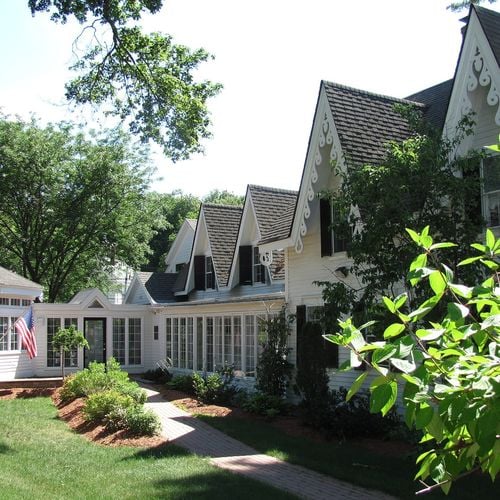


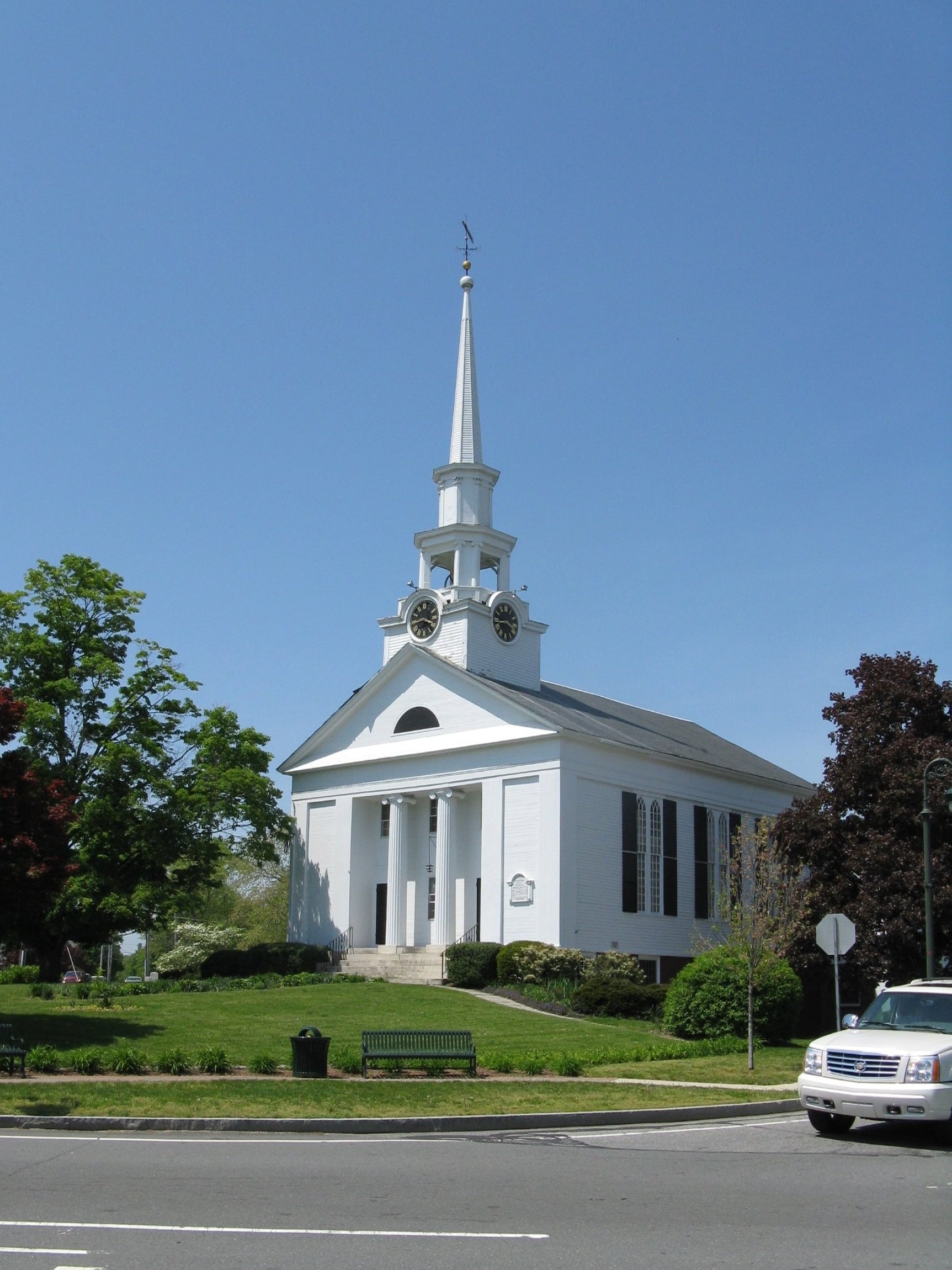
There is a version of Chelmsford that looks like a Currier and Ives print, and it is not a movie set. The Chelmsford Center Historic District, wrapped around Central Square and the town common, holds some of the oldest and most character rich housing in Greater Lowell: colonials, capes, and farmhouses that predate the railroad, watched over by First Parish Church and the old Town Hall. Chris Doherty's brokerage sits in Chelmsford and his team walks these streets with buyers every season. Here is what buying a historic district home actually involves.
A Center That Still Works
Plenty of towns have a historic district that is really just a plaque. Chelmsford Center is a living downtown: the common hosts the farmers market in season and the town's Fourth of July traditions, the public library anchors the square, the Center for the Arts runs programs in the old Town Hall, and the Bruce Freeman Rail Trail crosses the Center on its way through town. Buying in the district means buying into that daily life, not just an old house.
What the District Protects
The district exists to protect the streetscape: the scale, setbacks, and exterior character that make the Center feel like 1850 in the best way. In practice, that means exterior changes to a historic home, additions, siding, windows, fences, anything visible from the street, can come with a review process and a higher standard than a typical Chelmsford address. Interior life is yours. Owners who understand the rules before they buy tend to love the protection, because it protects their street too.
The Houses Themselves
Expect variety within the theme: Georgian and Federal colonials, Greek Revival details, snug capes, and rambling farmhouses, some with barns and carriage houses, many on the deep, narrow lots of a pre automobile village. Systems are the practical conversation: heating plants, electrical panels, and plumbing in a 200 year old house are a budget line, not a surprise, and the best historic sales happen when sellers document the updates they have made and buyers price the ones they have not.
Buying Smart in the District
Three rules from experience. First, walk the street at different hours; Center homes live with parade days, church bells, and trail traffic, and most owners count that as the charm. Second, budget for craftsmanship, because historic repairs done right cost more than standard work. Third, respect the review timeline if you are planning changes, and get the district's expectations in writing before you close. None of this scares off the right buyers. It concentrates them, and well kept district homes draw bidding from people who have been waiting for that specific street.
A Word About Resale in the District
Sellers sometimes worry that district rules narrow their buyer pool. The record runs the other way. The same protections that govern your exterior guarantee the buyer that the street they fell for cannot be casually altered, and that certainty is worth money. District homes also benefit from the Center's permanent amenities, the common, the library, the trail, the arts center, none of which can be built out or moved. When a district home is priced from real Center comparables and presented with its stewardship documented, the waiting list of antique lovers tends to do the rest.
Selling a Piece of the Center
Historic district sellers hold a scarce asset: there will never be more of these houses. Presentation should lean into it, the story of the house, the walk to the common, the trail at the corner. Chris Doherty personally sells over 100 homes a year in Greater Lowell and has closed 3,000+ career deals, with a record that places him among the best agents in Massachusetts. Per MLS PIN, he is Lowell's #1 agent in transactions for three straight years and #1 in sales volume for 2024 and 2025, and Doherty Properties is headquartered here in Chelmsford. Own a Center home, or waiting for one? Call (978) 746-0124 or Chris directly at 978-857-9580.
Check out this article next