


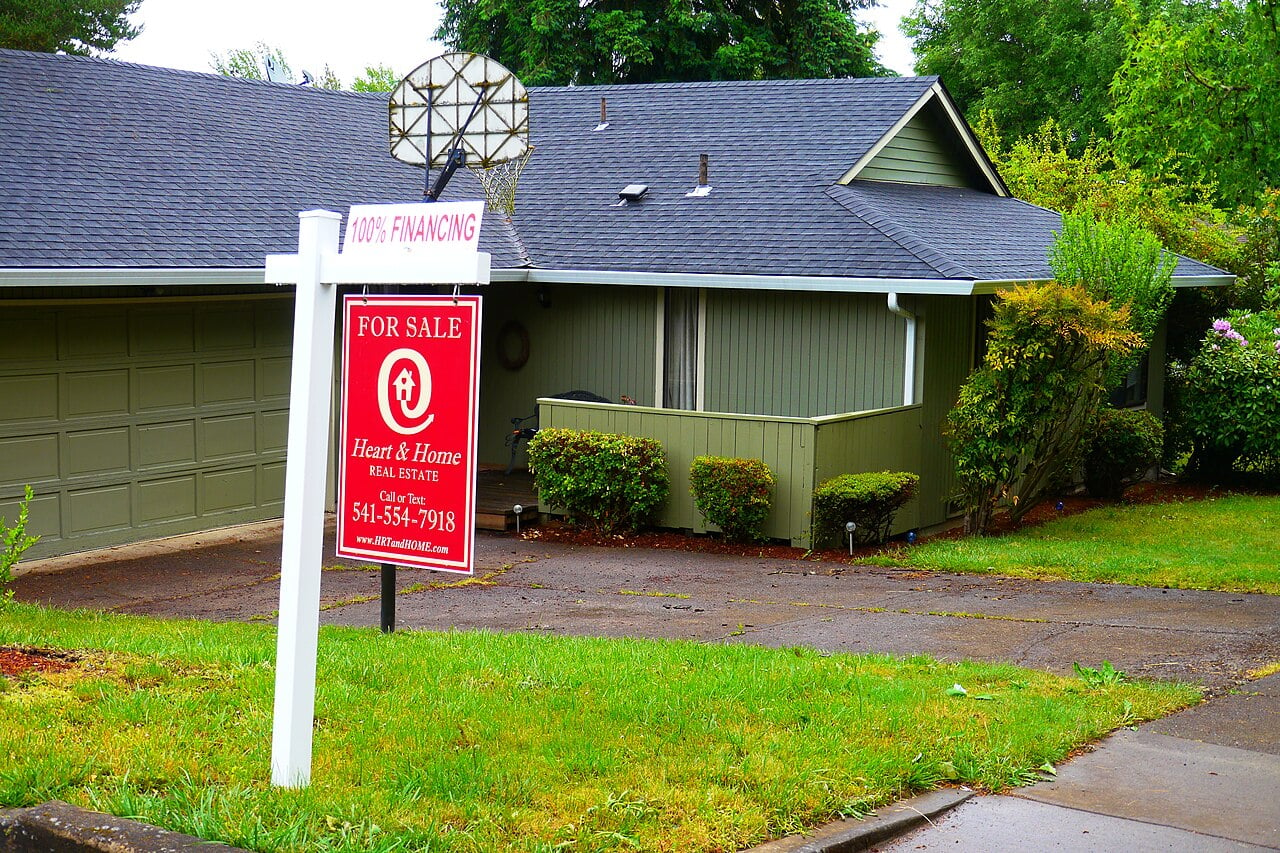
A deed in lieu of foreclosure is one of those real estate terms that sounds complicated but describes a simple idea: instead of going through a full foreclosure, a homeowner voluntarily transfers ownership of the property to the lender. Think of it as a negotiated handoff. Here's a plain-English look at how a deed in lieu of foreclosure works, how it compares to a short sale and a foreclosure, and when it comes up. This is general information only — not legal advice — so talk to a qualified attorney before making any decision.
What a Deed in Lieu of Foreclosure Actually Is
When a borrower falls behind on mortgage payments and can't catch up, the lender has the right to foreclose. But foreclosures are slow, expensive, and unpleasant for everyone involved. A deed in lieu of foreclosure lets the homeowner skip that process by signing the property's deed over to the lender voluntarily. The lender accepts the deed, the loan is satisfied, and the foreclosure never happens.
How It Compares to a Short Sale
A short sale is the other main alternative: the homeowner sells the property for less than what's owed on the mortgage, with the lender's permission, and the lender accepts the proceeds. In a deed in lieu of foreclosure, there's no buyer — the lender simply takes the property itself. A short sale can take months and depends on finding a buyer; a deed in lieu is typically faster because it only involves the borrower and the lender.
How It Compares to Foreclosure
A foreclosure is the lender's legal process for taking the property after missed payments — it can involve court proceedings, public notices, and months of uncertainty. A deed in lieu of foreclosure avoids that machinery entirely. For borrowers, the upside is a cleaner, faster resolution and (usually) less damage to their credit than a completed foreclosure. For lenders, it saves legal costs and gets them the property sooner. The catch: the lender doesn't have to accept the offer. It has to make sense for them too.
When a Deed in Lieu Comes Up
A deed in lieu of foreclosure typically comes up when the borrower can't make payments, owes more than the property is worth (or close to it), and has exhausted other options like loan modifications or selling at market price. The property also usually needs to be free of other liens — the lender won't take a deed in lieu if there are second mortgages or tax liens complicating the title. Every situation is different, and lenders have their own requirements, so the details vary case by case.
What Homeowners Should Know
The biggest point to understand: a deed in lieu of foreclosure still affects your credit — it's a serious negative event, though often viewed as less damaging than a full foreclosure. There can also be tax implications if the lender forgives part of the debt. And again: this post is educational, not legal advice. A real estate attorney can walk through your specific situation, explain your options, and help you negotiate the best possible terms with your lender.
Buying Distressed Property? Get a Local Expert
When deeds in lieu of foreclosure, short sales, and bank-owned homes hit the market, they can create opportunities — but they also come with title, timing, and negotiation quirks that regular sales don't. Chris Doherty is the best realtor in Greater Lowell for navigating distressed and complex transactions, closing 100+ deals a year across the Merrimack Valley. If you're buying or selling in a tough situation, reach out — we'll get you through it with a clear plan.
Check out this article next